What are the Best Materials for a Durable Business Sign?

Choosing the best material for a durable business sign depends largely on two factors: the type of sign being created and where it will be installed. A sign placed indoors in a climate-controlled environment has very different durability requirements than one exposed to rain, sunlight, wind, and temperature changes outdoors. In addition, storefront signs, monument signs, lobby displays, and temporary promotional signs each demand different combinations of strength, appearance, maintenance, and cost. By understanding how materials perform in specific environments, businesses can select signage that remains attractive, legible, and structurally sound for years.
Aluminum for Long-Term Exterior Durability
Aluminum is one of the most popular materials for outdoor business signs because of its excellent resistance to rust and corrosion. Unlike steel, aluminum does not deteriorate when exposed to moisture, making it ideal for storefront signs, directional signs, parking signs, and roadside displays. It is also lightweight, which simplifies installation while still offering strong structural integrity. For businesses in regions with heavy rain, humidity, or snow, aluminum often provides the best balance between durability and affordability.
Another advantage of aluminum is its versatility. It can be painted, powder-coated, or combined with vinyl graphics to create highly customized designs. Dibond and other aluminum composite panels are especially common for exterior signage because they combine a rigid core with thin aluminum sheets for added stability. These materials resist warping and fading, even after prolonged exposure to UV rays.
For illuminated channel letters or dimensional signs, aluminum remains a preferred choice because it withstands changing weather conditions without requiring frequent maintenance. Businesses seeking a polished, professional appearance that lasts many years often choose aluminum for permanent outdoor signage applications.
Acrylic and PVC for Interior Signage
Interior signs generally do not require the same weather resistance as exterior signs, allowing businesses to prioritize appearance and branding. Acrylic is widely used for indoor business signs because of its sleek, glass-like finish. It works particularly well for lobby signs, reception displays, office directories, and wall-mounted branding elements. Acrylic can be cut into custom shapes, layered for dimensional effects, and illuminated with LED lighting for a modern appearance.
PVC is another common interior signage material due to its affordability and lightweight structure. Expanded PVC boards are durable enough for indoor environments while remaining easy to print on and install. Retail stores, offices, and trade show exhibitors frequently use PVC for promotional graphics and informational displays because it delivers a professional look at a lower cost than metal or glass alternatives.
While acrylic and PVC can sometimes be used outdoors, they generally perform best in interior environments where they are protected from extreme weather and direct sunlight. Continuous UV exposure may cause discoloration or brittleness over time. For indoor applications, however, both materials offer long-lasting visual appeal with minimal maintenance requirements.
Wood and High-Density Urethane for Decorative Signs
Businesses seeking a more traditional or upscale appearance often choose wood or high-density urethane (HDU) signage. Wood signs are especially common for restaurants, boutiques, inns, and professional offices that want a handcrafted or rustic aesthetic. Cedar and redwood are frequently selected because they naturally resist insects and moisture better than many other wood species.
However, natural wood requires regular maintenance to preserve its appearance and structural integrity outdoors. Without proper sealing and repainting, wood can crack, warp, or fade due to weather exposure. This makes wood more suitable for businesses willing to invest in ongoing upkeep to maintain a premium visual style.
HDU has become a popular alternative because it mimics the appearance of carved wood while offering superior durability. Made from dense polyurethane foam, HDU resists moisture, insects, and rot. It is lightweight, easy to carve, and capable of producing intricate dimensional designs. For decorative monument signs or architectural branding elements, HDU provides the aesthetic appeal of wood without many of the long-term maintenance concerns.
Vinyl and Fabric for Temporary or Flexible Signage
Not all business signs are intended to be permanent. Temporary promotional signage, trade show displays, and event graphics often rely on vinyl or fabric materials. Vinyl banners are highly cost-effective and can withstand short- to medium-term outdoor use. They are resistant to water and fading, making them ideal for grand openings, sales promotions, and seasonal advertising.
Fabric signage has also become increasingly popular for indoor displays and exhibitions. Tension fabric systems create vibrant, wrinkle-resistant graphics that are easy to transport and assemble. These signs work especially well for conventions, pop-up shops, and retail environments where portability matters more than long-term structural durability.
Although vinyl and fabric are not typically considered permanent solutions, they remain durable enough for many commercial applications. Businesses that frequently update marketing messages often prefer these materials because they are economical and easy to replace.
The best material for a durable business sign depends on both the sign’s purpose and its installation environment. Aluminum excels for permanent outdoor signage because of its weather resistance and longevity, while acrylic and PVC are ideal for attractive interior displays. Wood and HDU provide decorative appeal for businesses seeking a distinctive aesthetic, and vinyl or fabric work well for temporary promotions and flexible branding needs. By matching the material to the location and function of the sign, businesses can ensure their signage remains effective, professional, and durable over time.
Want to discuss the best materials further with a sign expert? Give us a call at (610) 692-0525 or tell us about your project online.
Our Signs
Explore custom signs by category and see what's possible.
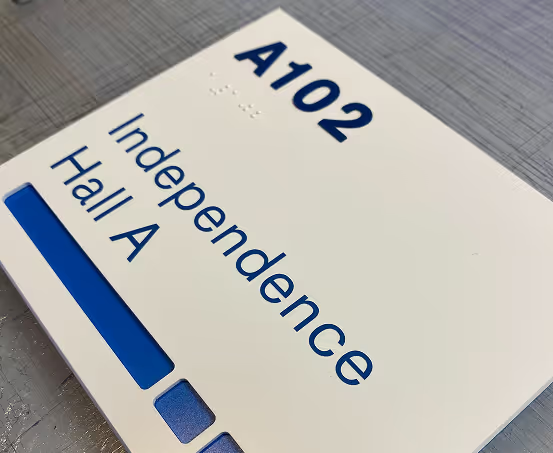
ADA & Braille Signs
%201.avif)
Acrylic Panel Signs
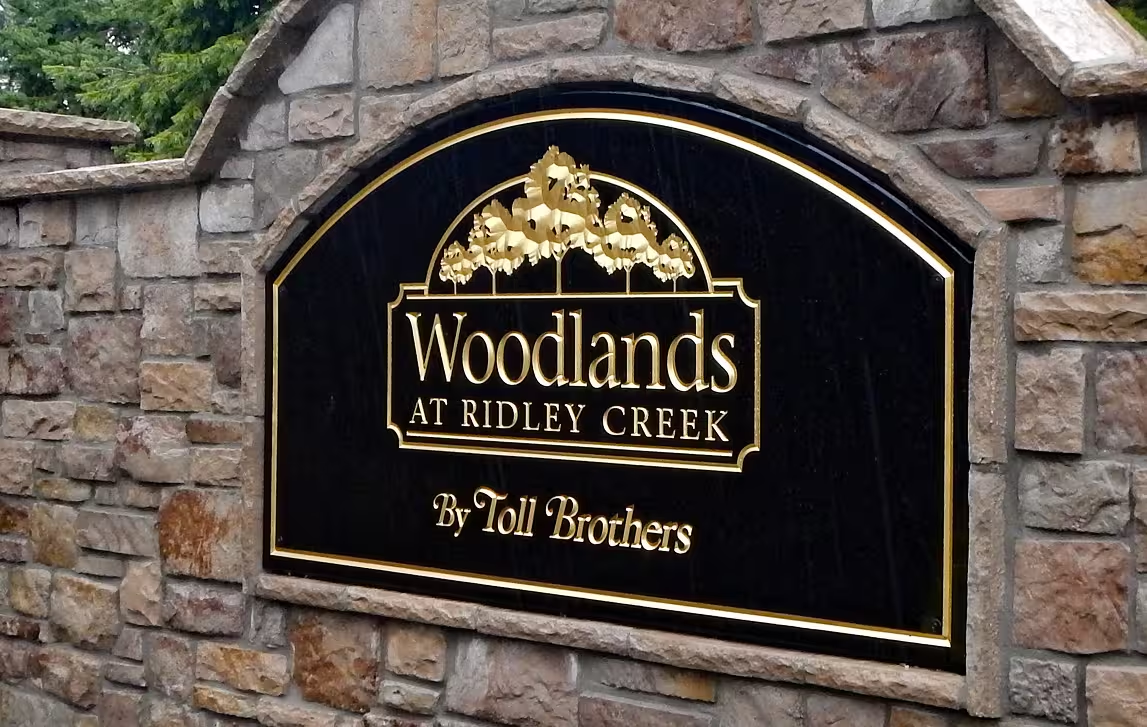
Carved Signs
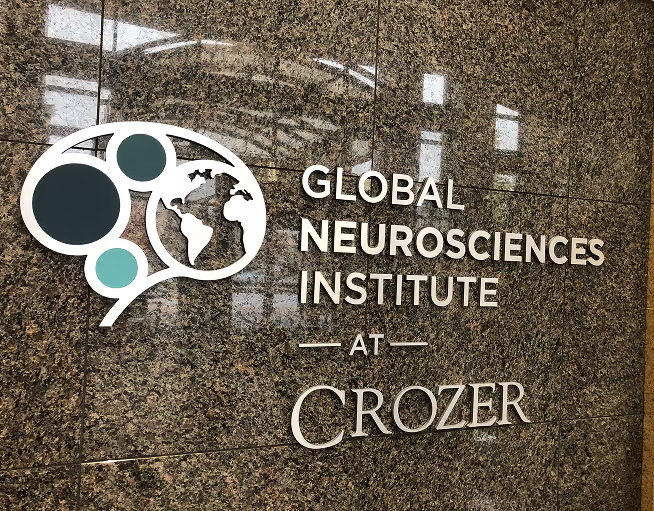
Dimensional Letters
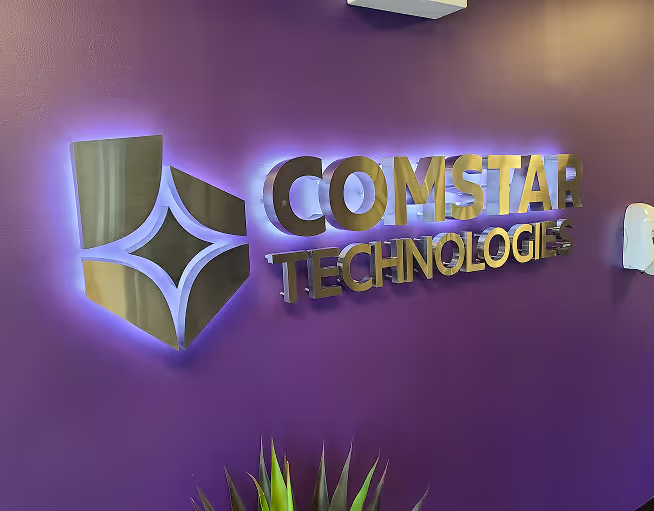
LED Illuminated Signs
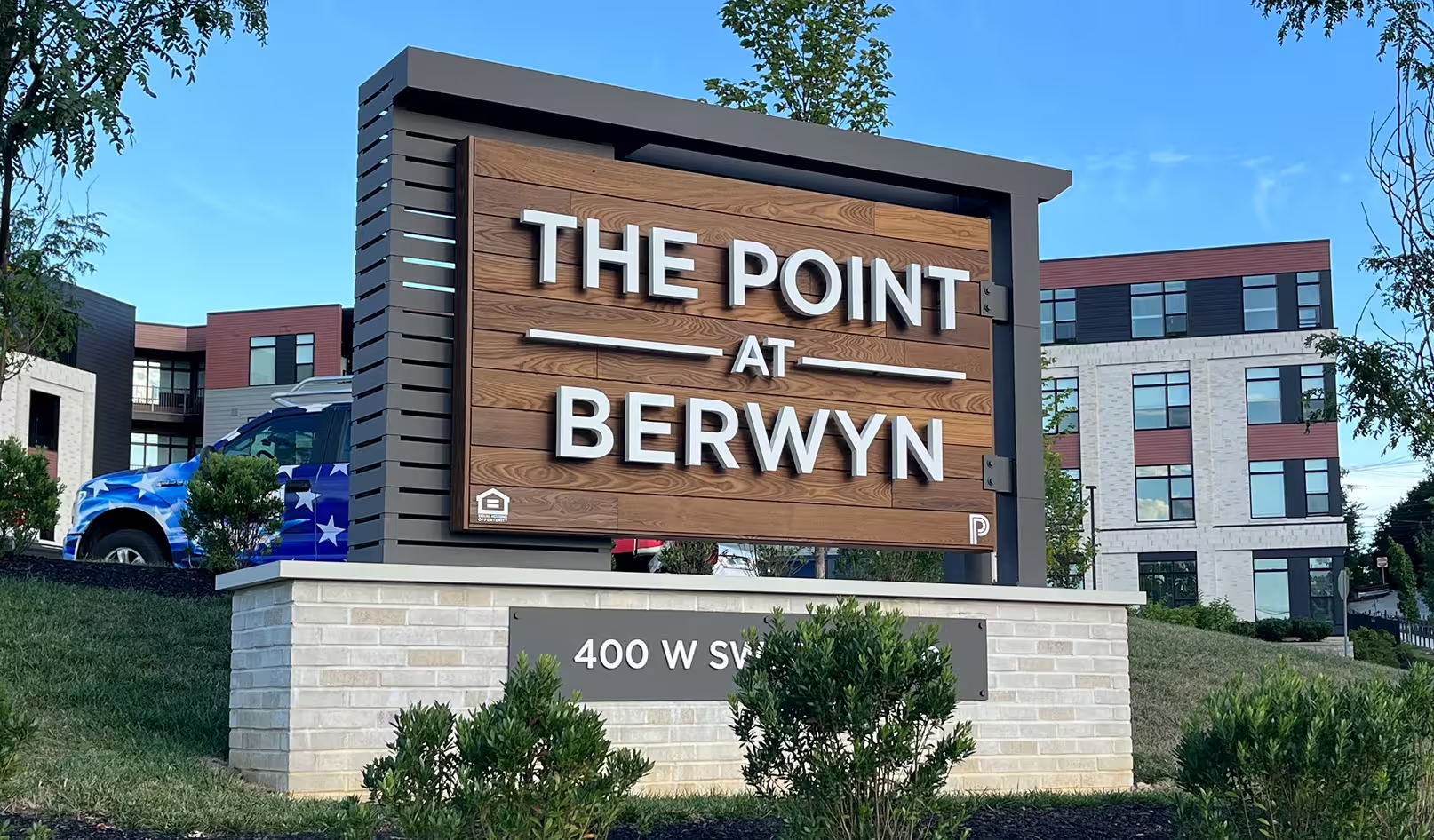
Monument Signs
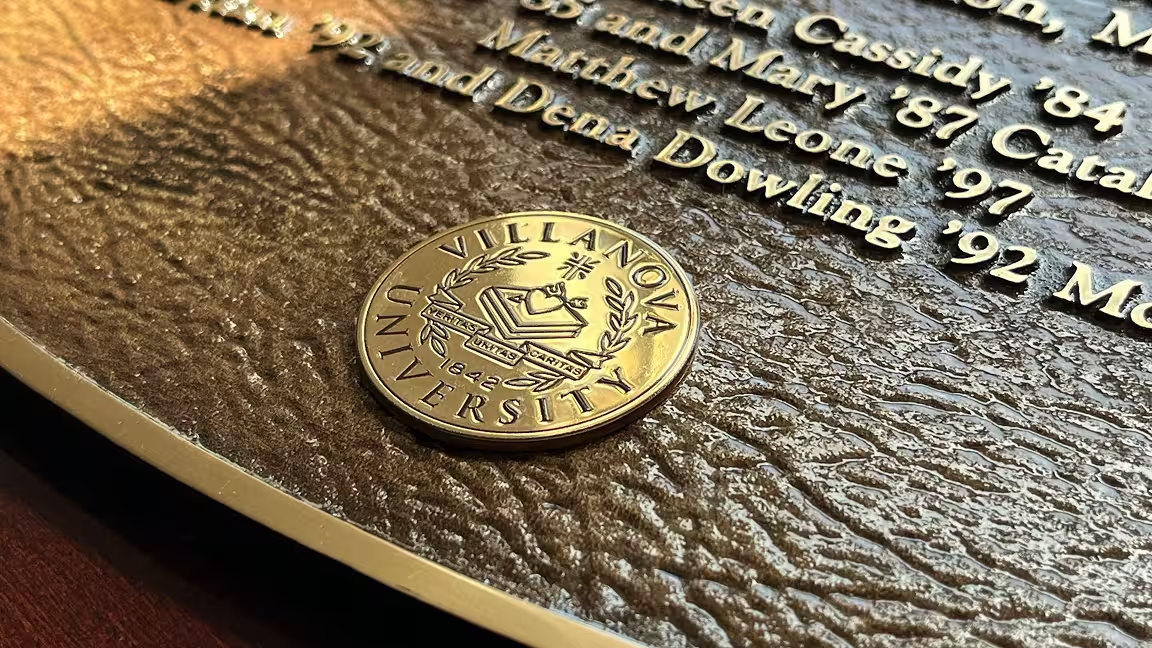
Plaques
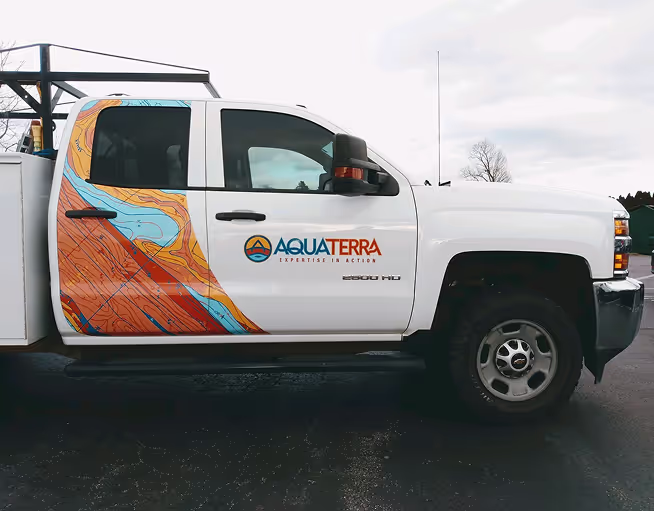
Vehicle Wraps & Lettering
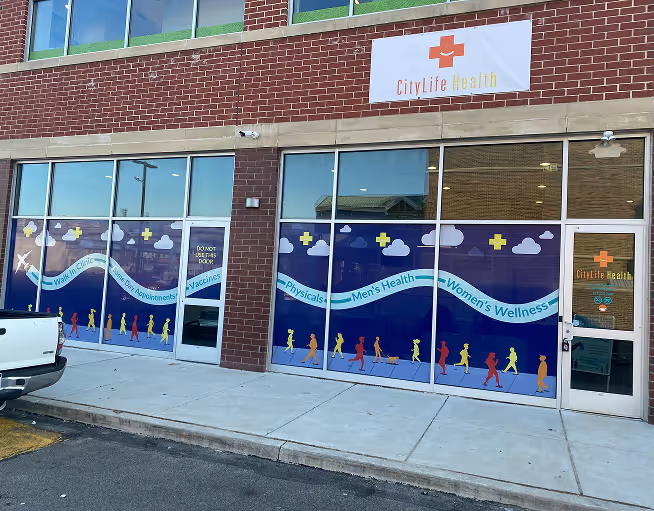
Wall & Window Vinyl
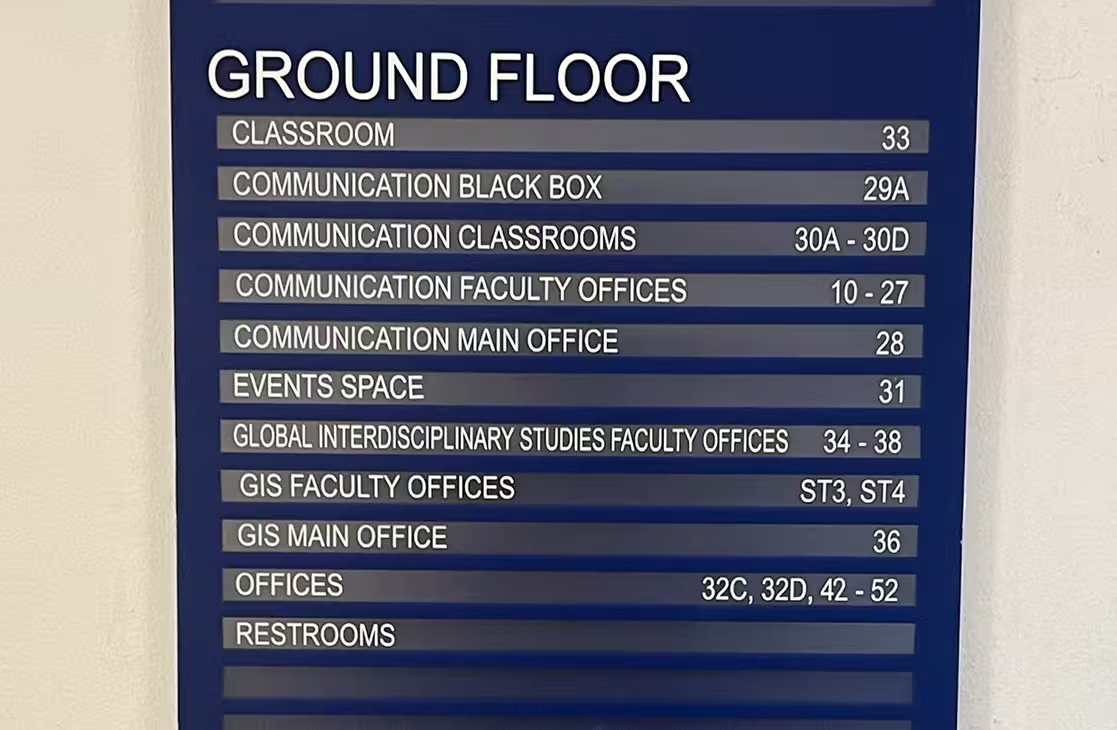
Wayfinding Signs
Let Us Make Your Perfect Sign
Main Office

Tell us about your project