
What's the Process for Getting a Sign Made?
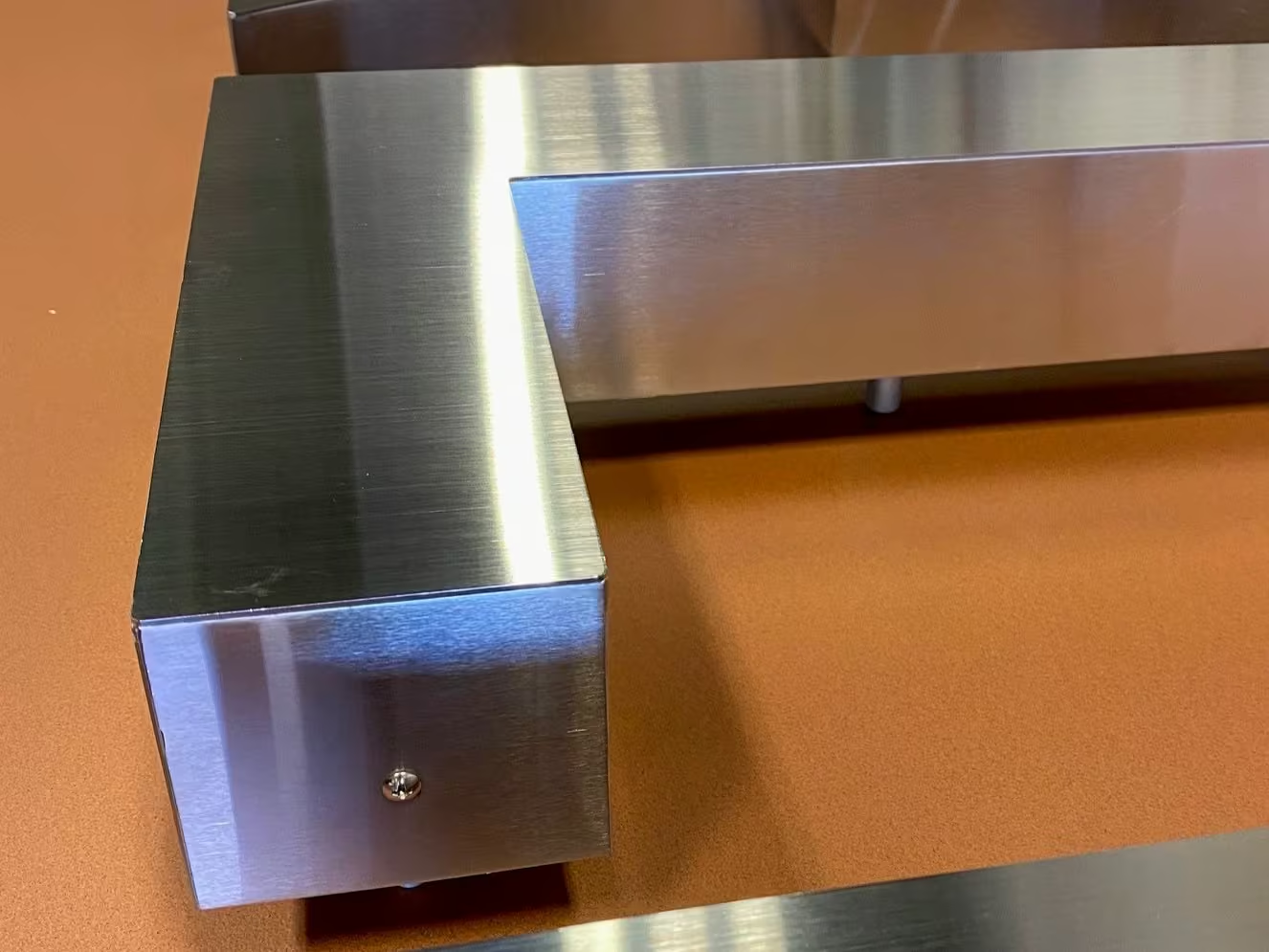
Creating a custom sign involves much more than simply printing a logo onto a surface. From the earliest design concepts to the final installation, the process requires collaboration, planning, technical expertise, and attention to detail. Whether the sign is intended for a storefront, office building, restaurant, or event space, each stage plays an important role in ensuring the final product is visually appealing, structurally sound, and compliant with local regulations. Understanding the full process can help businesses and organizations feel more confident and prepared when investing in new signage.
1. Design and Branding Preparation
The sign-making process typically begins with the design phase, where the client and sign company work together to establish the overall look and functionality of the sign. At this stage, clients often provide existing branding materials such as logos, fonts, color palettes, and artwork files. These elements help ensure the sign remains consistent with the company’s identity and marketing strategy. If a business does not yet have finalized branding, the sign company may assist with creating custom graphics and layout concepts.
Designers also consider practical details during this phase. The size of the sign, viewing distance, lighting requirements, and installation location all influence how the design is developed. For example, a sign intended for roadside visibility may require larger lettering and simpler graphics than a sign placed inside a shopping center. Material recommendations are also discussed, including options such as aluminum, acrylic, vinyl, wood, or illuminated components.
Communication is especially important during the design stage because revisions are common. After the quote is approved, designers may present multiple mockups or digital renderings before narrowing down the final visual concept. The goal is to create a sign that is both attractive and functional while accurately representing the client’s brand.
2. Client Review and Approval
Once the initial designs are completed, the next step is obtaining client approval. This stage ensures the customer is satisfied with every aspect of the sign before production begins. Sign companies typically provide proofs or scaled renderings that show dimensions, colors, fonts, placement, and materials in detail.
Clients should carefully review these proofs because changes become more expensive and time-consuming after fabrication starts. It is important to verify spelling, measurements, logo placement, and color accuracy during this stage. Businesses may also involve multiple decision-makers, such as marketing teams, property managers, or business owners, before providing final approval.
After all revisions are completed and the design is approved, the client provides written agreement on the plan. This approval serves as confirmation that the project can move forward into the technical and manufacturing phases.
3. Permitting and Regulatory Approval (Optional)
Depending on the type and location of the sign, permits may be required before fabrication or installation can begin. Permitting is most commonly required with exterior signs. Many municipalities regulate signage through zoning laws, size restrictions, lighting rules, and placement requirements. Sign companies often assist clients by preparing permit applications and submitting the necessary documentation to local authorities.
The permitting process may involve site surveys, engineering drawings, and compliance reviews. For larger freestanding or illuminated signs, structural calculations may also be required to demonstrate the sign can safely withstand weather conditions such as high winds or heavy snow. Historic districts and shopping centers may have additional design guidelines that influence the approval process.
Permit approval timelines can vary significantly depending on the location and complexity of the project. While smaller signs may receive approval quickly, larger commercial signs can take several weeks to review. Completing this step properly is essential because installing a sign without approval can result in fines, delays, or mandatory removal.
4. Fabrication and Production
After approvals and permits are secured, the sign enters the fabrication stage. This is where the physical components are manufactured using the approved specifications and materials. Skilled fabricators cut, shape, paint, print, and assemble the sign using specialized equipment and production techniques.
Different types of signs require different fabrication methods. Vinyl graphics may be digitally printed and laminated, while dimensional letters could be routed from metal or lasered from acrylic. Illuminated signs often involve electrical wiring, LED lighting systems, and weatherproof housings. Throughout production, quality control checks help ensure the final product matches the approved design.
Fabrication timelines depend on the complexity of the sign and the materials involved. Simple banners or window graphics may be completed quickly, while large monument signs or custom illuminated displays can take several weeks or months. During this phase, sign companies also coordinate logistics and prepare for installation.
5. Installation and Final Inspection
The final step in the sign-making process is installation. Professional installers transport the completed sign to the site and secure it according to engineering and safety standards. Installation methods vary depending on the sign type, with some signs mounted directly to buildings while others require concrete foundations or support structures.
Safety and precision are critical during installation. Installers use lifts, cranes, scaffolding, and specialized tools to position signs accurately and securely. Electrical connections are completed for illuminated signs, and weatherproof sealing helps protect the structure from moisture and environmental damage.
After installation is complete, the sign is inspected to ensure it is level, fully operational, and compliant with local regulations. Clients may perform a final walkthrough with the installation team to confirm the project meets expectations. Once approved, the sign is ready to begin serving as a long-term branding and advertising tool.
Getting a sign made is a multi-step process that involves design planning, client approval, permitting, fabrication, and installation. Each phase contributes to creating a sign that is visually effective, structurally reliable, and aligned with the client’s branding goals. By understanding the process from start to finish, businesses can better collaborate with sign professionals and ensure a smoother, more successful project outcome.
Ready to get started on your signage project? Give us a call at (610) 692-0525 or tell us about your project online.
Our Signs
Explore custom signs by category and see what's possible.
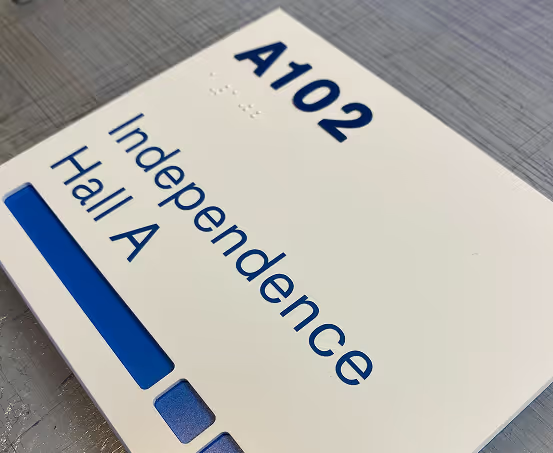
ADA & Braille Signs
%201.avif)
Acrylic Panel Signs
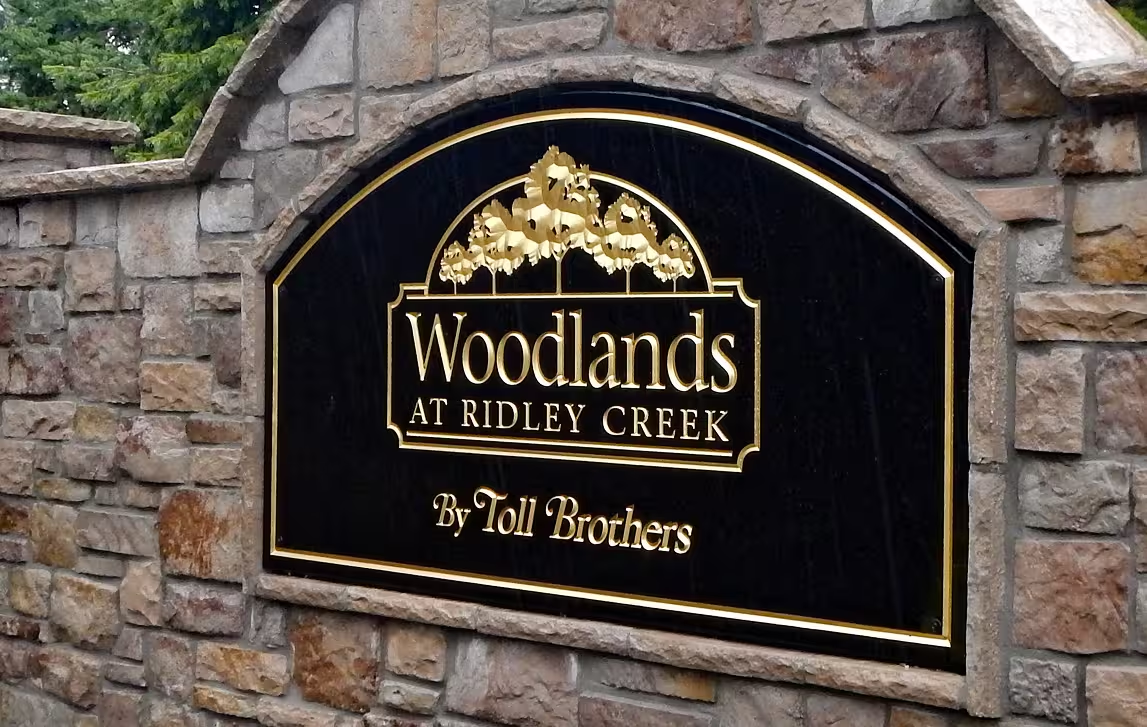
Carved Signs

Dimensional Letters
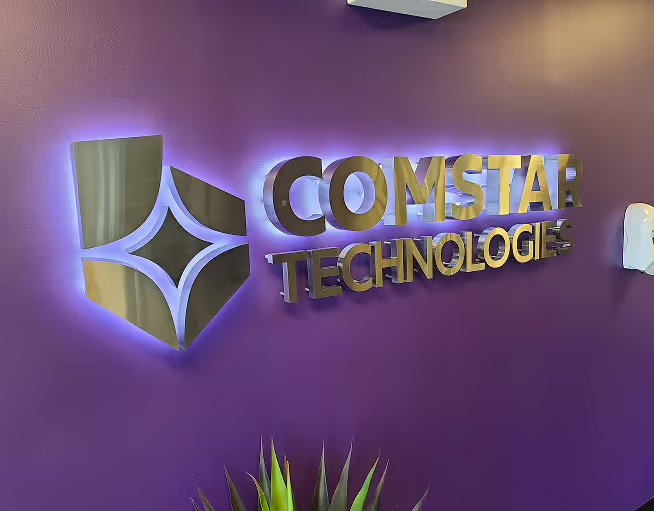
LED Illuminated Signs
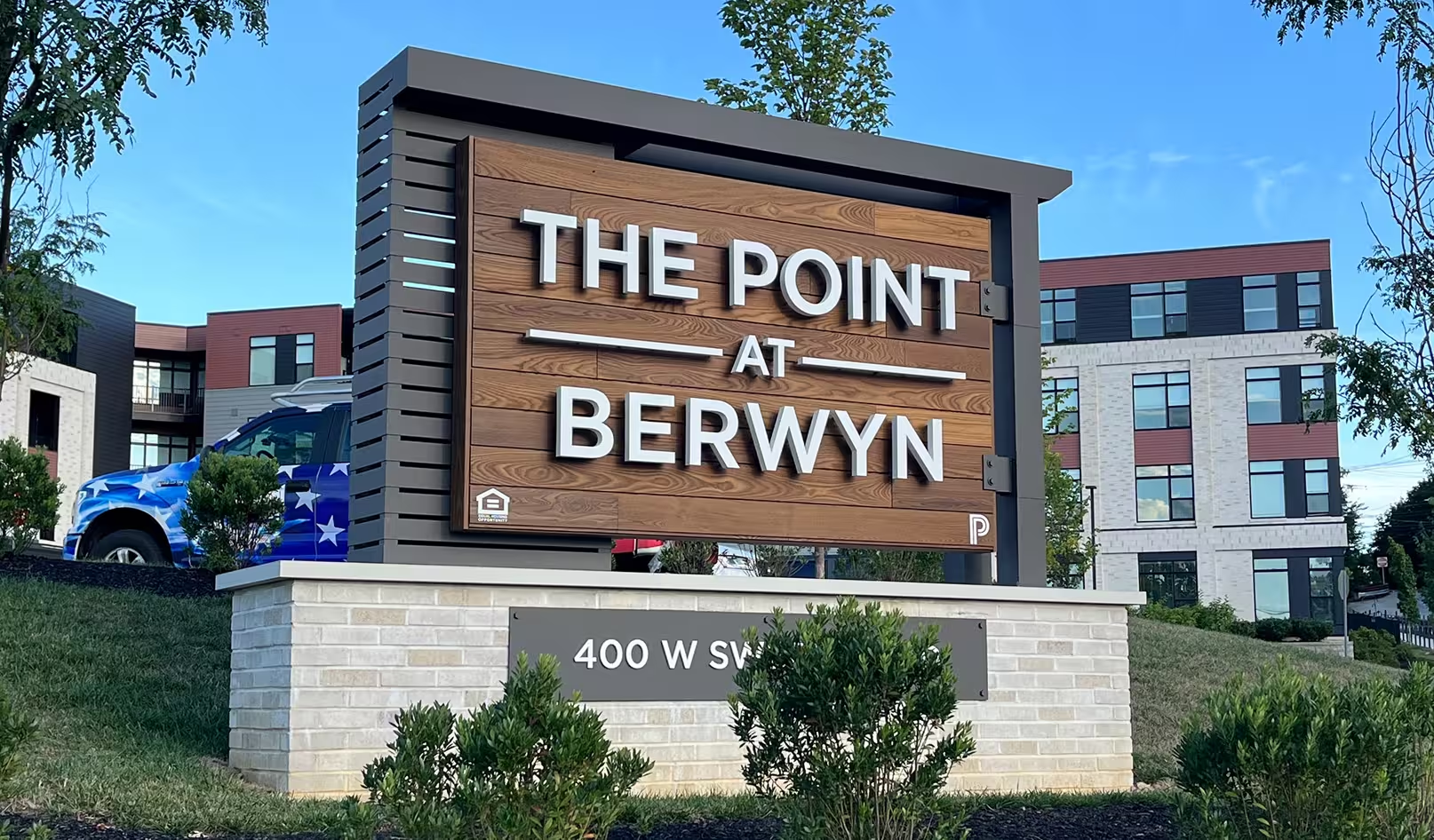
Monument Signs
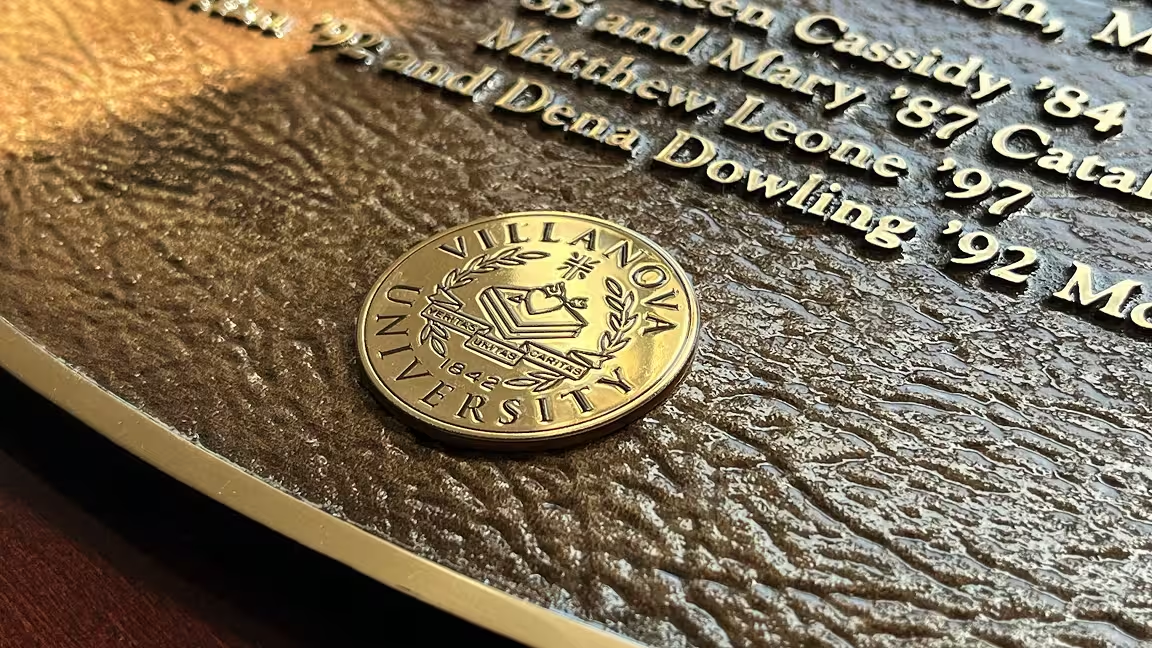
Plaques
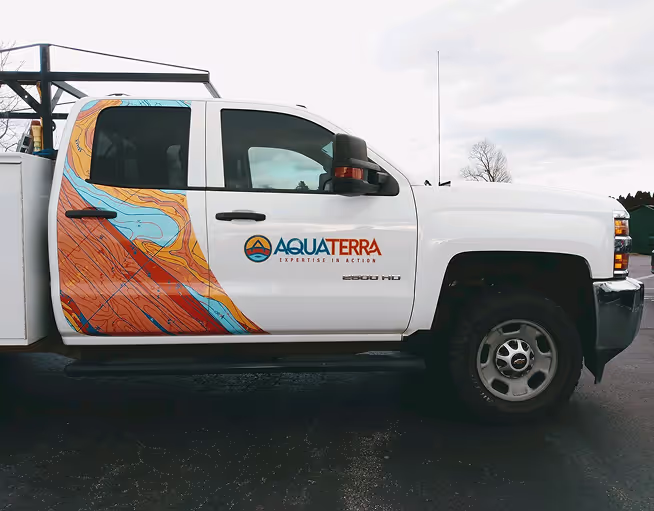
Vehicle Wraps & Lettering
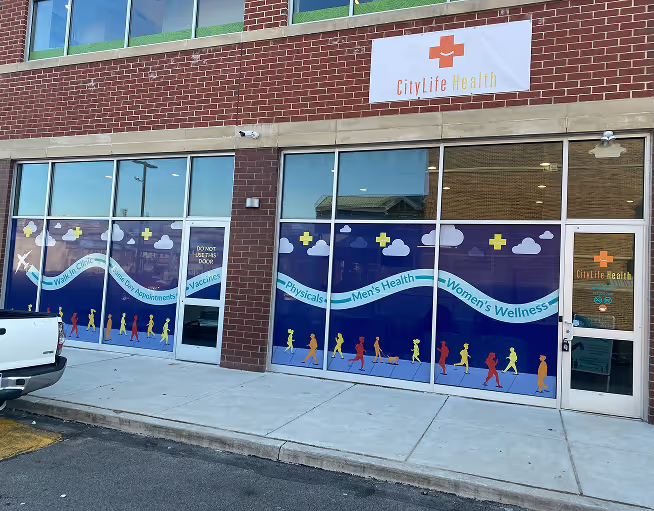
Wall & Window Vinyl
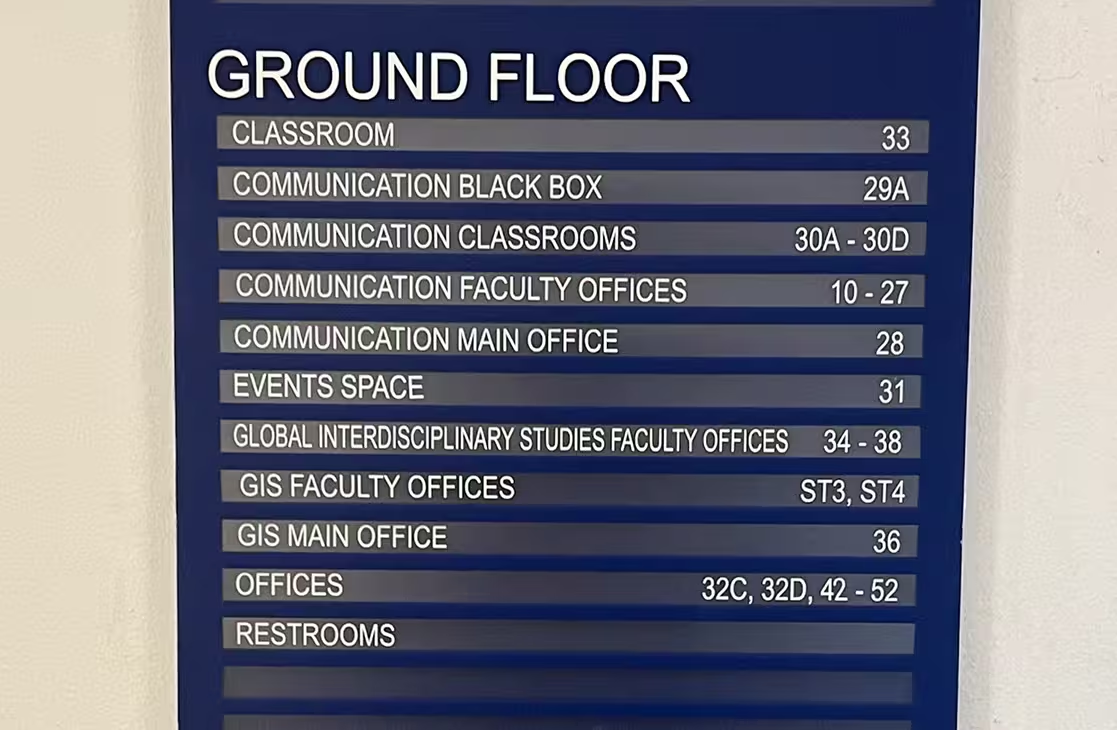
Wayfinding Signs
Let Us Make Your Perfect Sign
Main Office

Tell us about your project