
How do I Choose Between DIY and Professional Sign Services?
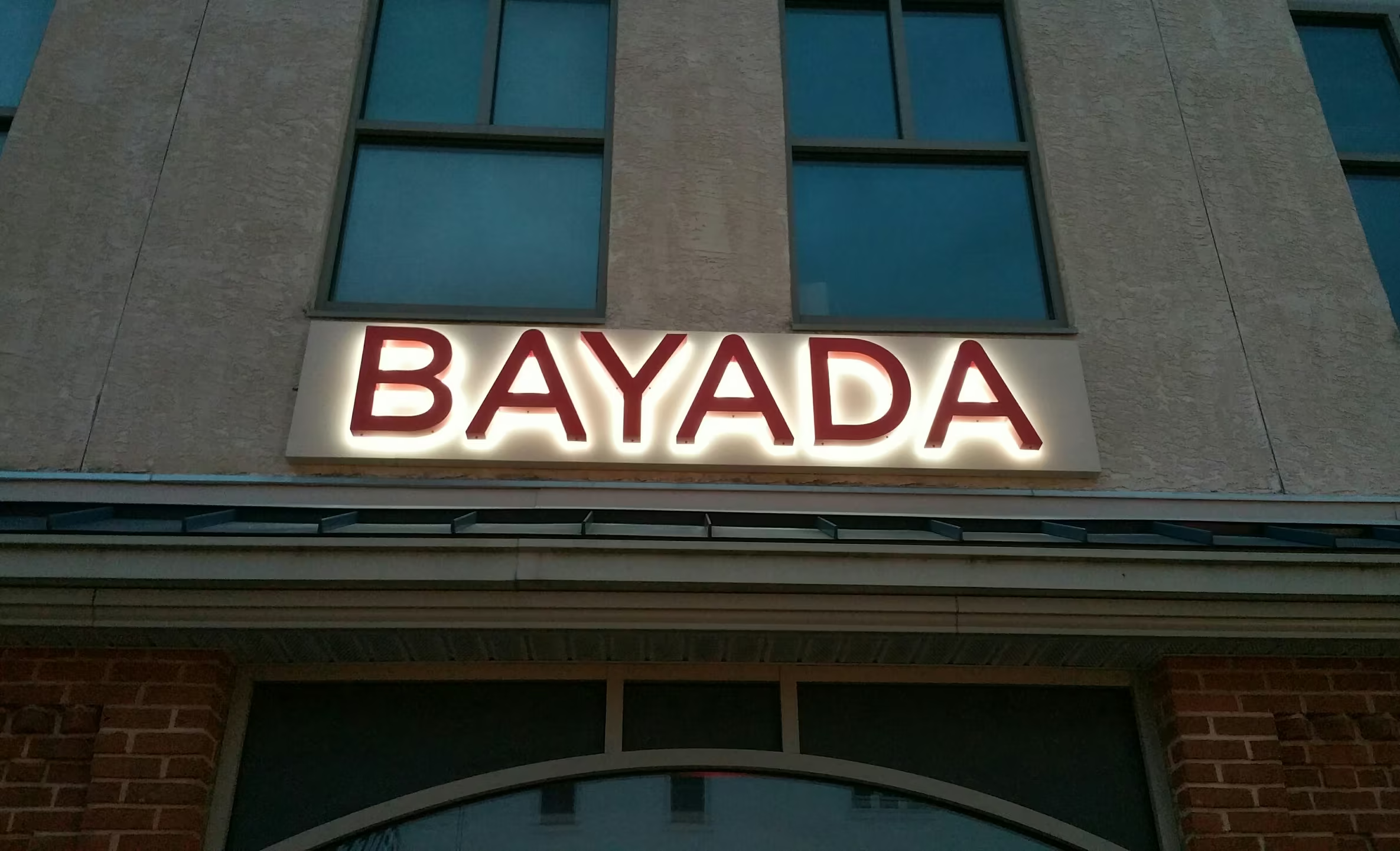
Choosing between DIY signage and professional sign services is an important decision that depends on budget, goals, skill level, and the intended use of the sign. While DIY options have become more accessible thanks to online tools, vinyl cutters, and printable materials, professional sign companies bring experience, specialized equipment, and regulatory knowledge that can significantly impact the final result. The right choice often comes down to balancing cost savings against long-term quality, durability, and effectiveness. Understanding the strengths and limitations of each approach helps businesses make a more informed decision that aligns with their branding and practical needs.
Cost Considerations and Budget Constraints
One of the most common reasons people consider DIY signage is cost savings. At first glance, creating a sign independently using online design tools, printed materials, or basic vinyl applications may appear significantly cheaper than hiring a professional sign company. For short-term or low-visibility projects, DIY solutions can indeed be a cost-effective option.
However, professional signage often provides better long-term value. While the upfront cost is higher, professionally produced signs are typically made with higher-quality materials, better printing technology, and more durable construction methods. This means they tend to last longer and require fewer replacements or repairs over time, which can offset the initial investment.
It is also important to consider hidden costs in DIY projects, such as equipment purchases, material waste, or mistakes that require redoing the work. When factoring in time, learning curve, and potential errors, DIY signage may not always be as economical as it initially seems.
Skill Level, Tools, and Design Quality
Another key factor in choosing between DIY and professional signage is the skill level required to produce a polished, effective result. Professional sign makers have experience with design principles such as spacing, readability, color contrast, and scale, all of which influence how easily a sign communicates its message.
DIY creators may have access to basic design software, but achieving professional-level results often requires more advanced knowledge. A poorly designed sign can be difficult to read, visually unbalanced, or inconsistent with branding, which may reduce its effectiveness in attracting customers or conveying information.
Tools and equipment also play a major role. Professional sign shops use large-format printers, precision cutters, and industrial-grade materials that are not typically available to DIY users. This allows for higher accuracy, cleaner finishes, and more durable results that are difficult to replicate at home or in a small office setting.
Durability, Materials, and Intended Use
The intended purpose of the sign is another major consideration. DIY signage is often suitable for temporary use, such as events, internal notices, or short-term promotions. In these cases, durability may not be a primary concern, and simpler materials like paper, foam board, or basic vinyl may be sufficient.
Professional sign services, on the other hand, are typically better suited for long-term or outdoor applications. These signs are designed using weather-resistant materials such as aluminum, acrylic, or laminated vinyl, which can withstand sun exposure, rain, wind, and temperature changes. This level of durability is essential for storefront signs, monument signs, and permanent branding installations.
Choosing the wrong material for the environment can lead to premature fading, peeling, or structural failure. Professional sign companies help ensure that the materials selected match the intended location and lifespan of the sign, reducing the risk of early replacement.
Permits, Regulations, and Installation Complexity
In many cases, signage is subject to local regulations, zoning laws, and permitting requirements. Professional sign companies are familiar with these rules and can often handle the permitting process on behalf of the client. This includes ensuring that size, lighting, placement, and structural requirements are met.
DIY sign creators may overlook or be unaware of these regulations, which can lead to compliance issues. In some cases, improperly installed or unpermitted signs may need to be removed or modified, resulting in additional costs and delays.
Installation is another important factor. Simple indoor signs may be easy to install independently, but larger or exterior signs often require specialized equipment, safety procedures, and precise mounting techniques. Professional installers help ensure that signs are securely and correctly positioned, reducing the risk of damage or safety hazards.
Choosing between DIY and professional sign services depends on a careful evaluation of cost, skill, durability needs, and regulatory requirements. DIY signage can be a practical option for simple, short-term projects where budget is the primary concern, while professional services offer higher quality, greater durability, and expert guidance for more important or long-term applications. By understanding the strengths and limitations of each approach, businesses and individuals can select the option that best aligns with their goals and ensures the most effective final result.
Ready to connect with a sign design specialist? Give us a call at (610) 692-0525 or tell us about your project online.
Our Signs
Explore custom signs by category and see what's possible.
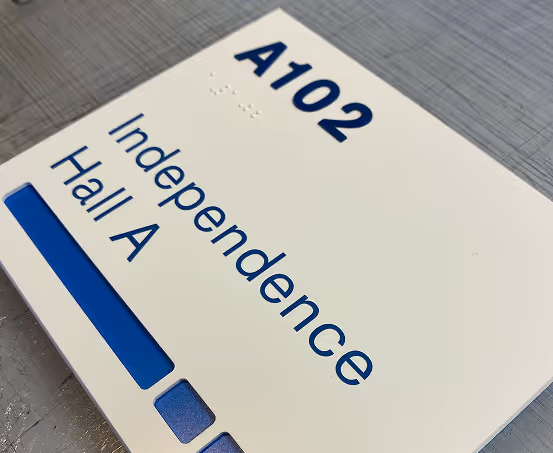
ADA & Braille Signs
%201.avif)
Acrylic Panel Signs
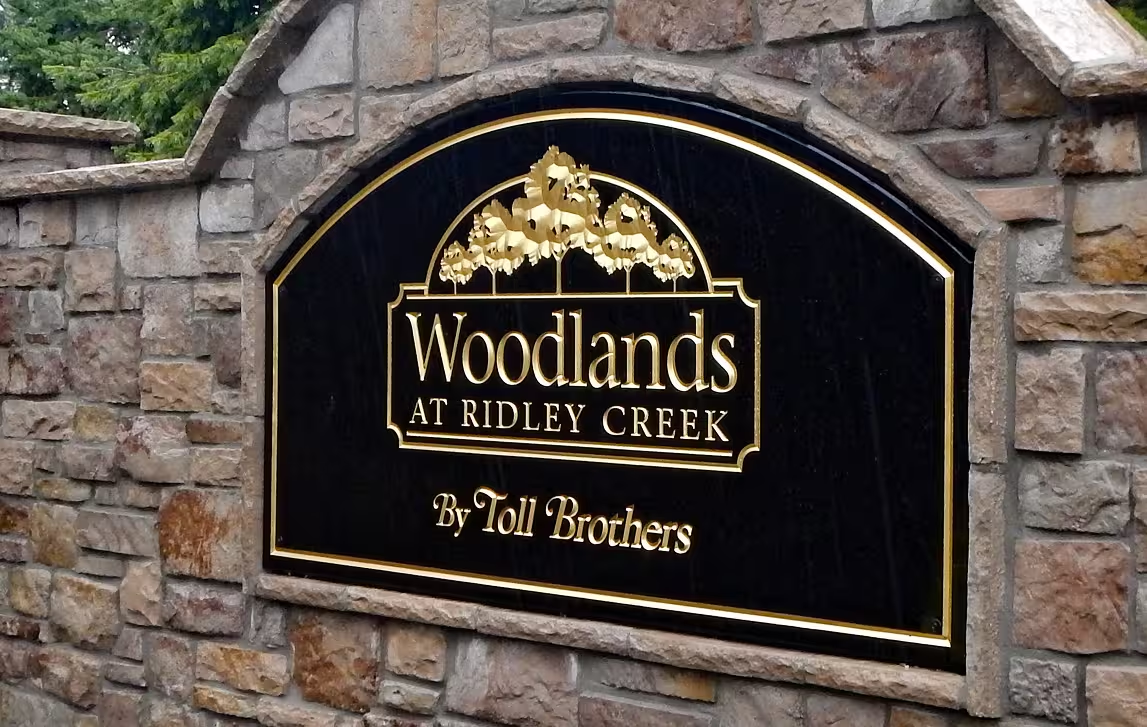
Carved Signs

Dimensional Letters
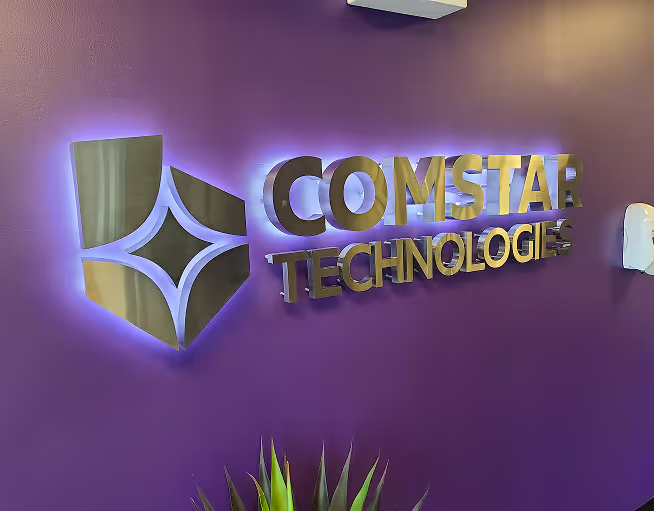
LED Illuminated Signs
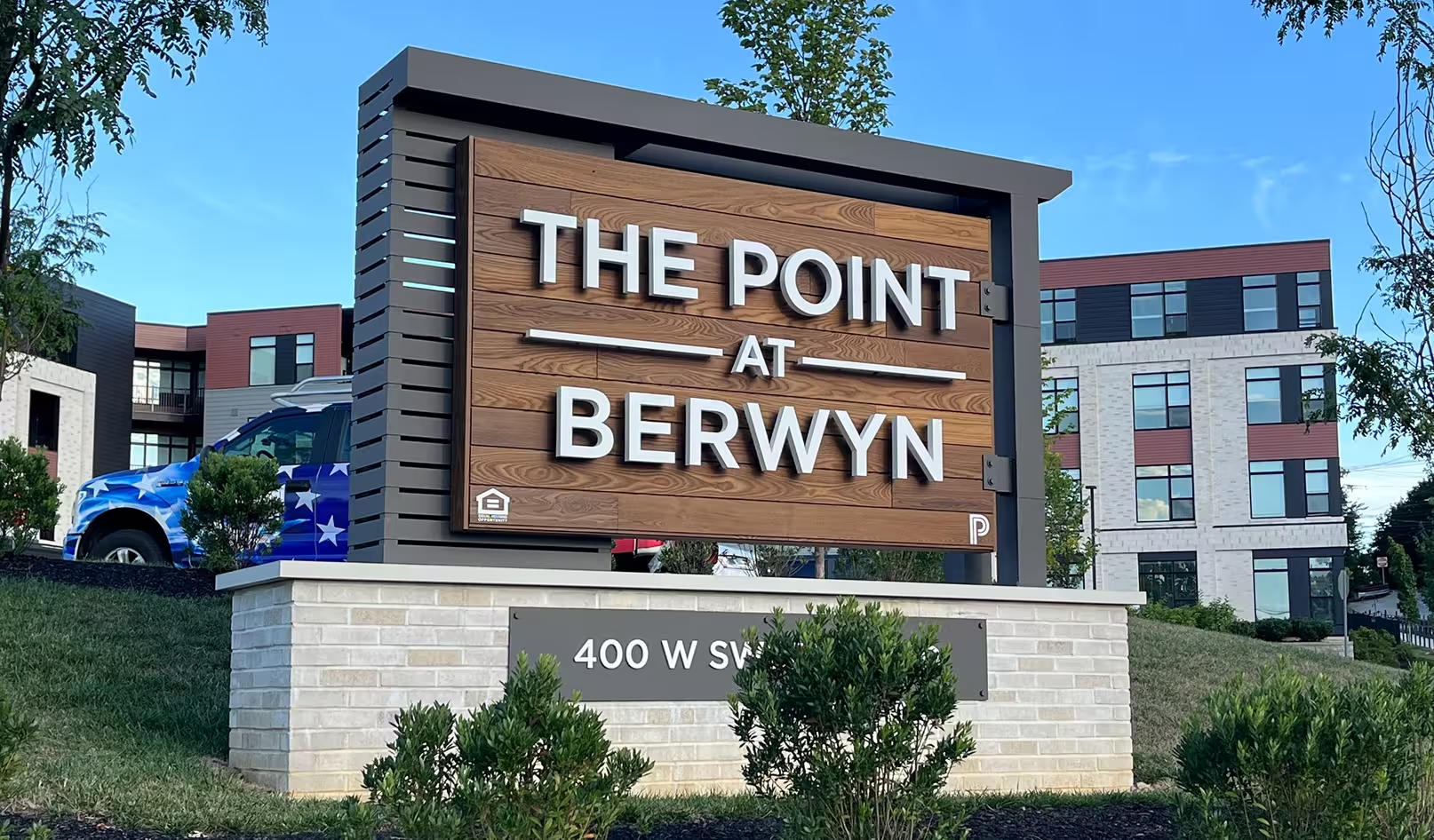
Monument Signs
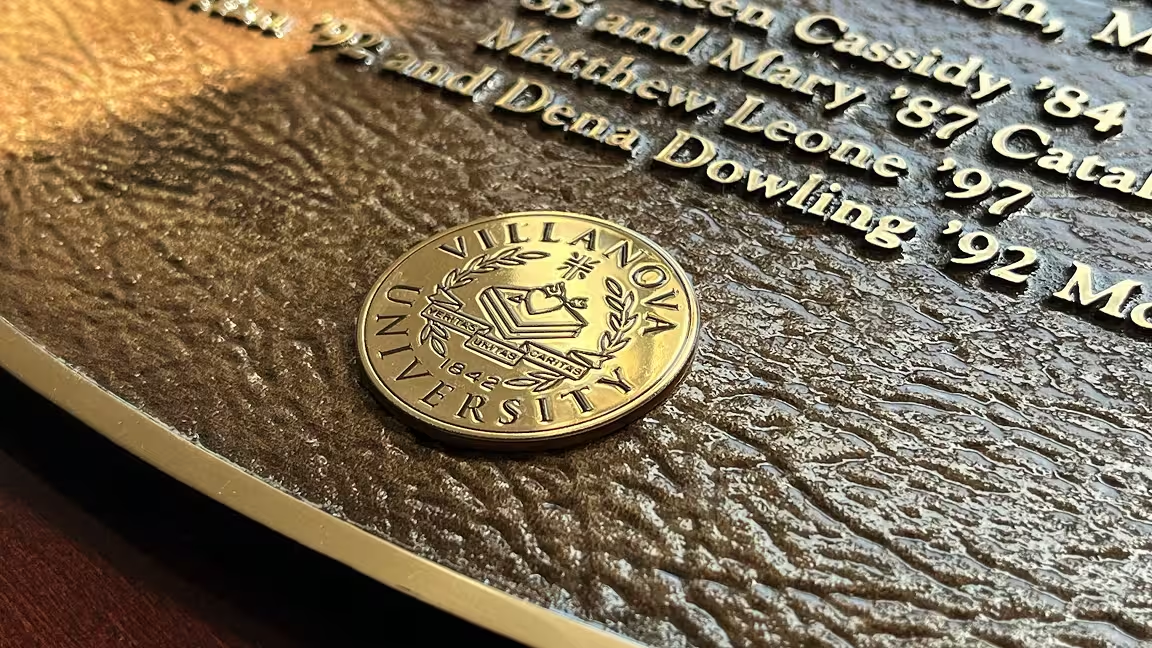
Plaques
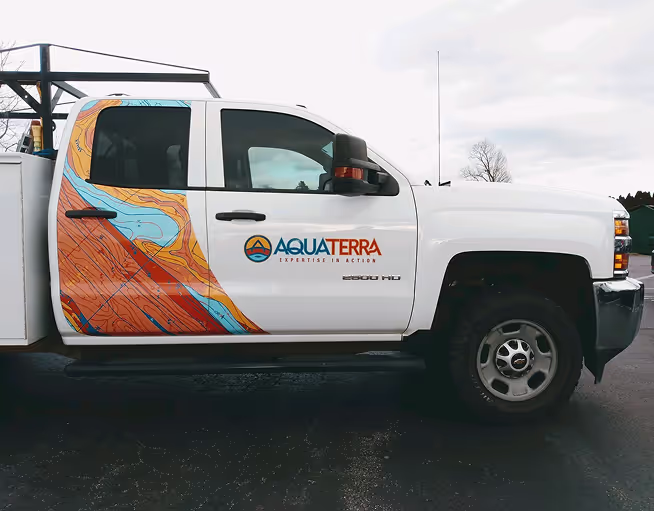
Vehicle Wraps & Lettering
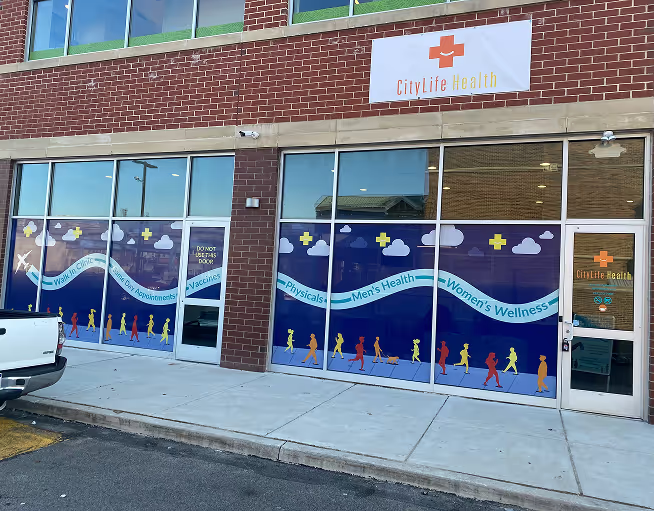
Wall & Window Vinyl
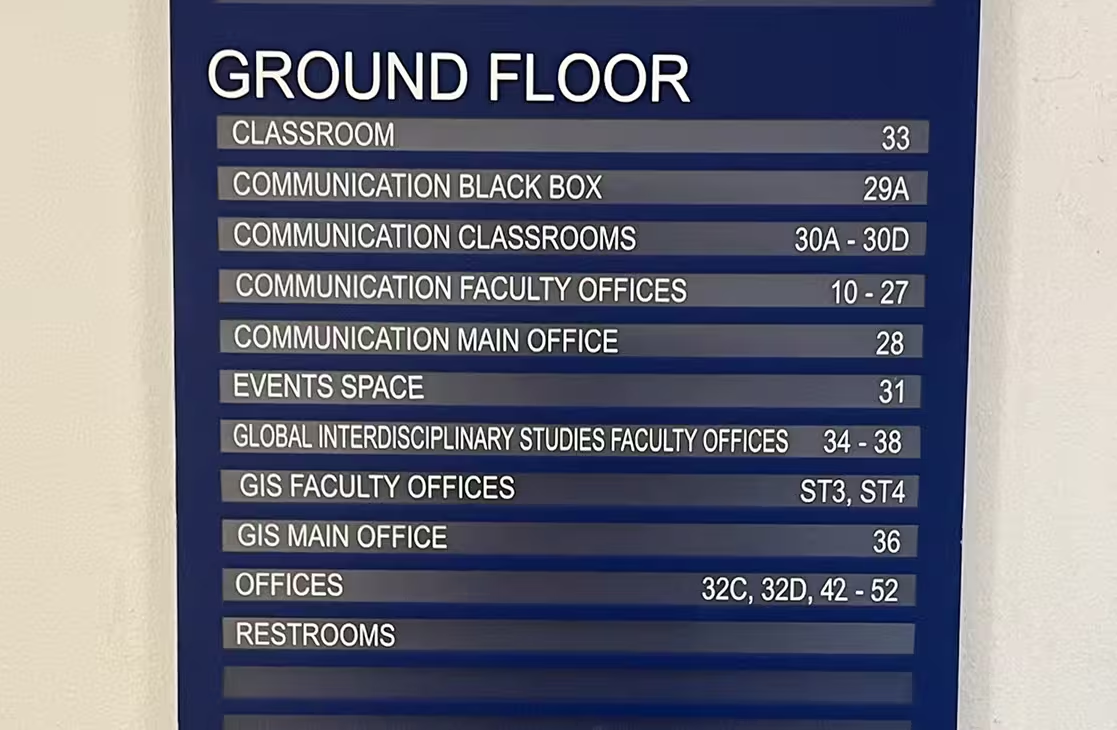
Wayfinding Signs
Let Us Make Your Perfect Sign
Main Office

Tell us about your project