How do Sign Shops Create 3D Letters and Logos?
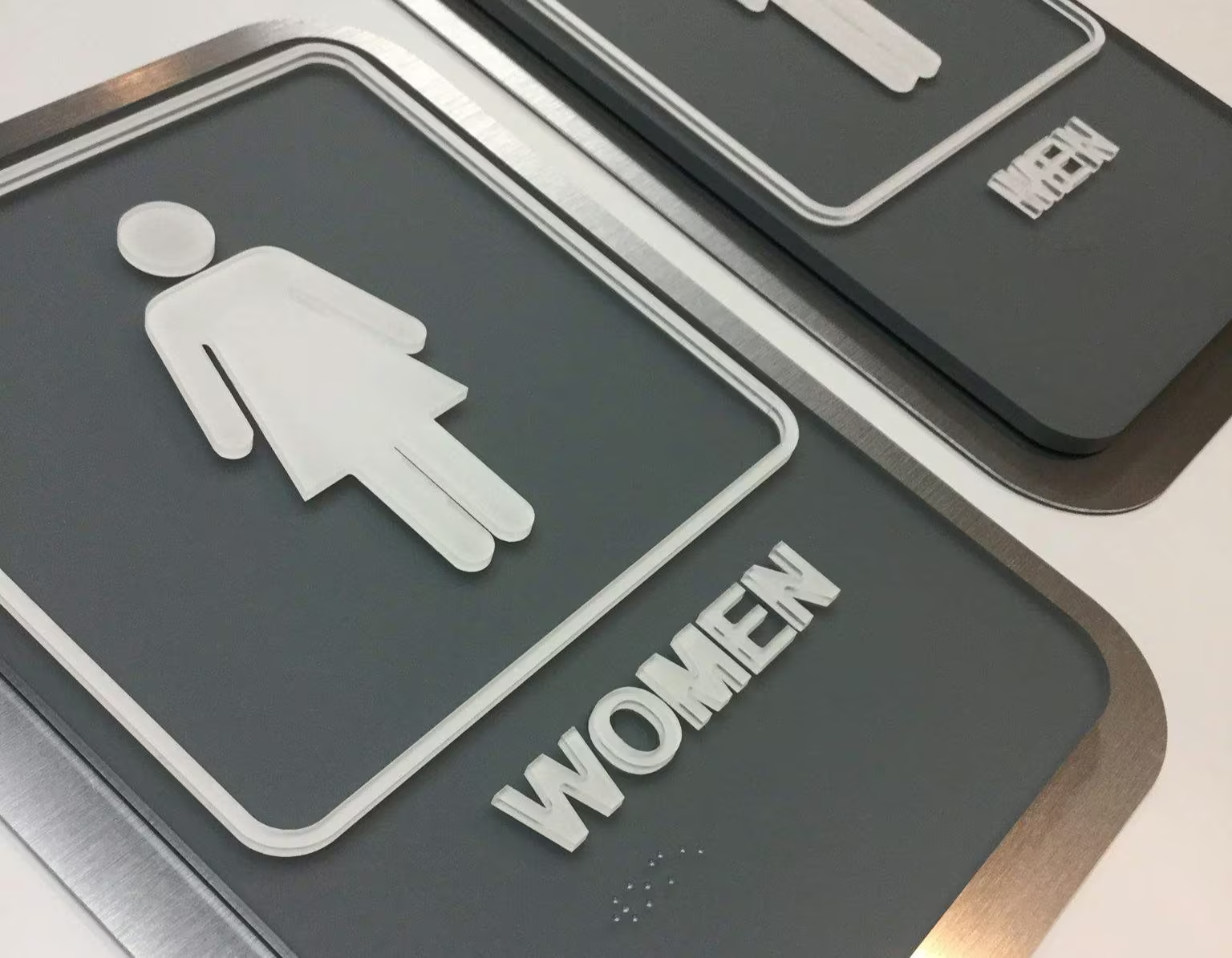
Three-dimensional letters and logos are among the most effective ways businesses create eye-catching signage. Unlike flat graphics, 3D signs add depth, texture, and visibility that help brands stand out both indoors and outdoors. Modern sign shops use a variety of fabrication techniques and materials to create dimensional signage, with each method offering different advantages in terms of appearance, durability, lighting, and cost. From acrylic lobby lettering to illuminated aluminum channel letters, the process behind 3D signage combines digital design, precision cutting, and skilled craftsmanship.
Acrylic Dimensional Letters
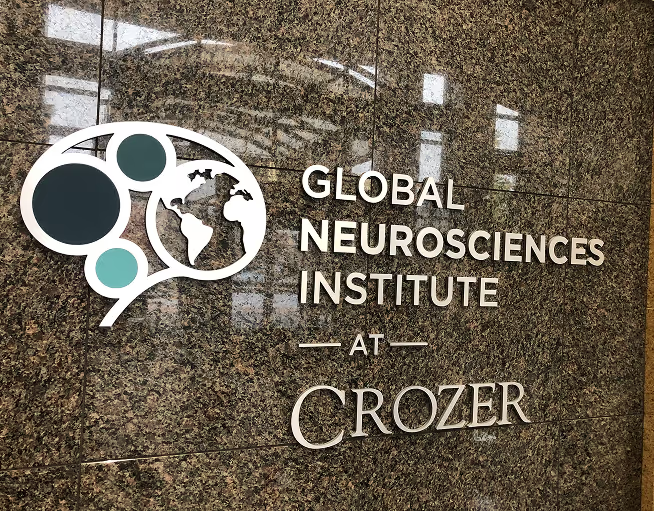
One of the most common methods sign shops use to create 3D lettering is fabricating dimensional acrylic letters. Acrylic is popular because it offers a sleek, polished appearance similar to glass while remaining lightweight and durable. Sign shops begin by digitally designing the lettering or logo using vector-based software, which allows the shapes to be precisely cut using CNC routers or laser cutting machines.
Once the acrylic pieces are cut, they can be painted, polished, or layered to create additional depth and visual contrast. Many businesses choose glossy acrylic finishes for modern office environments, retail stores, and lobby displays because the material reflects light cleanly and delivers a professional appearance. Acrylic can also be mounted with spacers or standoffs to create a floating effect on walls.
Another advantage of acrylic dimensional letters is versatility. Sign shops can produce them in a wide range of thicknesses, colors, and finishes. Frosted acrylic, clear acrylic, and back-painted acrylic all create different visual styles. Because acrylic performs best indoors or in protected exterior environments, it is commonly used for reception signage, directional systems, and interior branding displays.
Aluminum Channel Letters
For exterior storefront signage, aluminum channel letters are one of the most widely used 3D sign solutions. These signs consist of individual metal letters formed into hollow shapes that often contain internal LED lighting. Sign shops typically fabricate the letter faces from acrylic while using aluminum for the letter returns, or sides, because aluminum resists corrosion and holds its shape well outdoors.
The fabrication process begins with computer-controlled cutting equipment that shapes the aluminum coils and acrylic faces to match the design specifications. The aluminum returns are bent and attached to backing panels, creating a three-dimensional structure. LED modules are then installed inside each letter to provide illumination. Depending on the design, the letters may glow through the acrylic face, create a halo effect behind the letters, or combine both lighting styles.
Channel letters are especially popular for restaurants, retail stores, shopping centers, and corporate buildings because they offer excellent visibility day and night. Sign shops can customize the depth, font style, lighting color, and mounting method to match a business’s branding. While channel letters require more fabrication time and electrical work than simpler signage, they provide one of the most durable and visually impactful forms of commercial signage available.
Routed PVC and HDU Signs
Another technique sign shops use for creating 3D logos and lettering involves routed PVC or high-density urethane (HDU). PVC is a lightweight plastic material that can be cut into dimensional shapes using CNC routers. It is affordable, smooth, and easy to paint, making it a popular choice for indoor signs and short-term exterior applications.
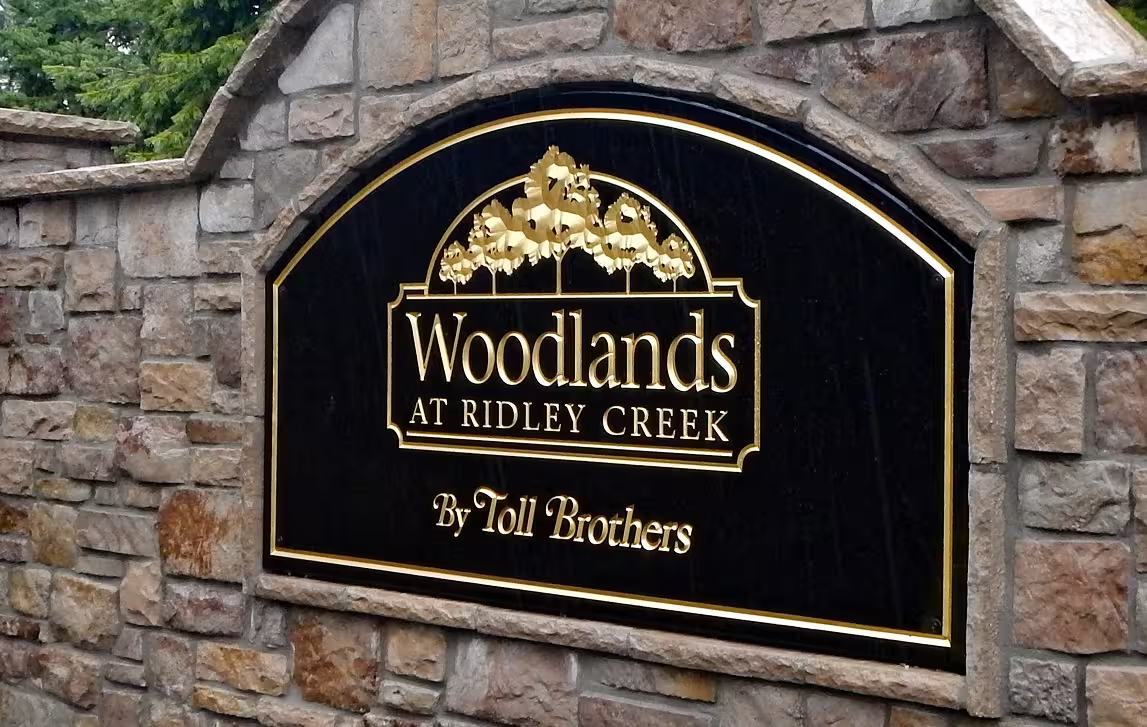
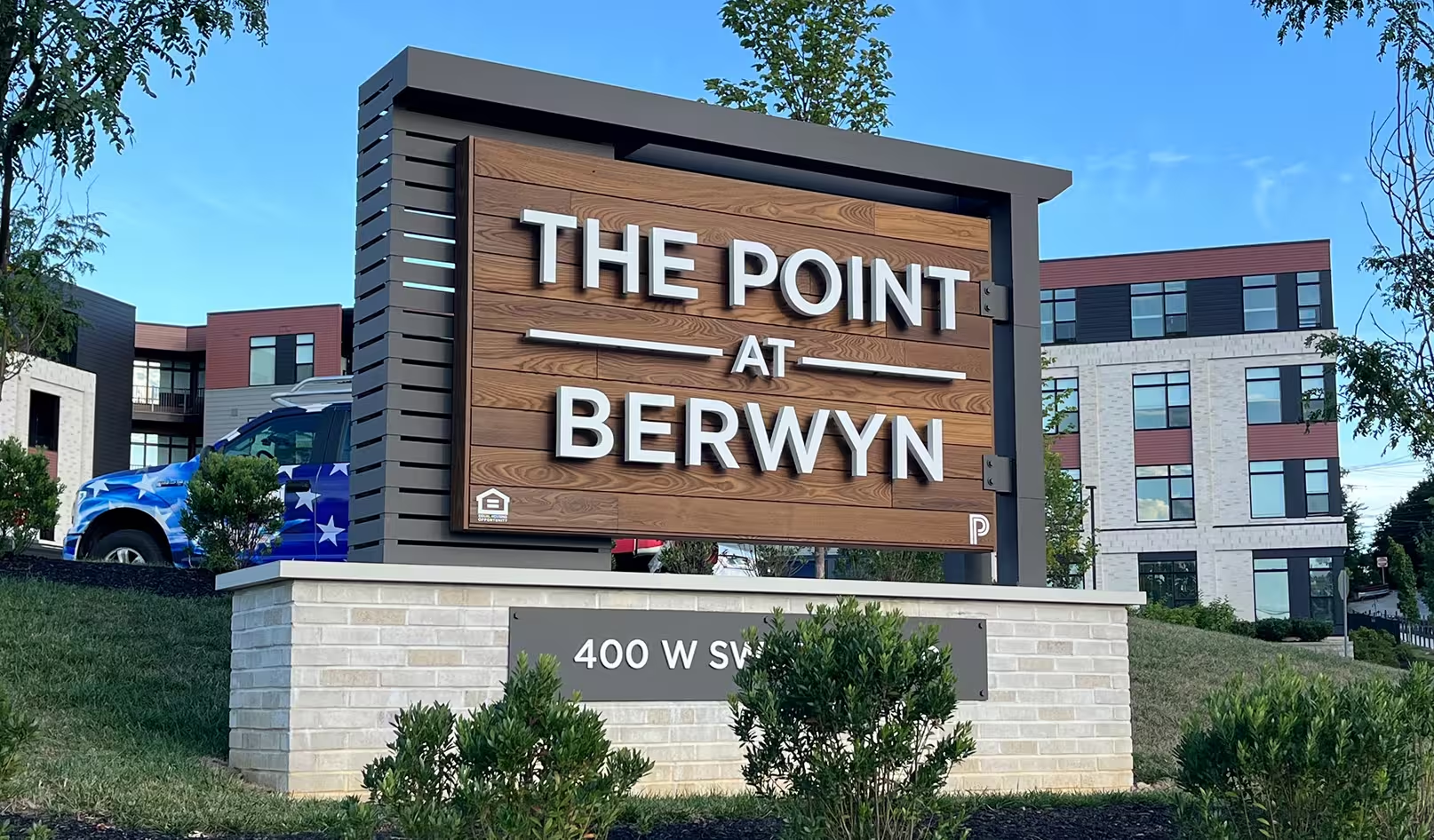
HDU, by contrast, is a denser material designed for long-lasting carved signage. It is commonly used for decorative business signs that require a more textured or handcrafted appearance. Unlike wood, HDU resists moisture, insects, and cracking, which makes it suitable for outdoor installations. Sign shops often carve HDU using CNC machines and then hand-finish the surfaces to create detailed textures and dimensional effects.
Both PVC and HDU allow sign makers to create highly customized logos with varying depths and contours. These materials are frequently used for monument signs, boutique storefronts, and architectural branding projects where a more artistic or upscale appearance is desired. Because routed signs can be painted in virtually any color, they offer substantial design flexibility while maintaining a durable structure.
Metal Fabrication and Mixed-Material Signs
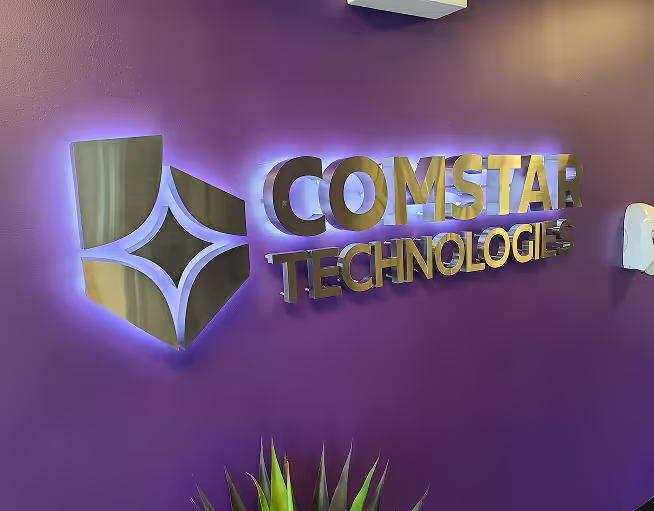
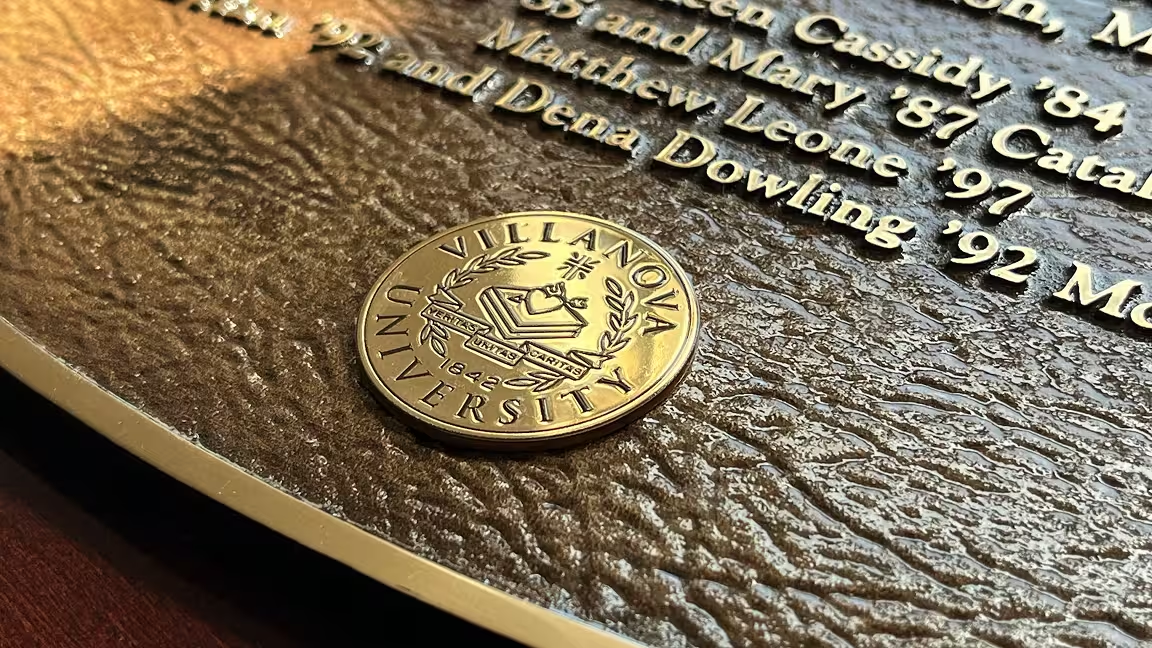
Many high-end sign shops also create custom dimensional signs using fabricated metal and mixed materials. Stainless steel, brass, bronze, and aluminum are often combined with acrylic, wood, or LED lighting to produce sophisticated branding displays. Metal fabrication typically involves laser cutting, welding, polishing, and finishing processes that require specialized equipment and skilled craftsmanship.
Brushed metal letters are especially popular in corporate offices, hotels, and luxury retail environments because they create a premium appearance. Some signs incorporate layered materials, such as acrylic faces mounted onto metal backers, to achieve unique visual depth. Others use edge lighting or concealed LEDs to produce dramatic illuminated effects.
Mixed-material signage allows businesses to create completely customized designs that align closely with their brand identity. Although these signs are often more expensive due to labor and fabrication complexity, they provide a distinctive appearance that can significantly enhance a company’s professional image.
Sign shops create 3D letters and logos using a variety of fabrication techniques tailored to different business needs and environments. Acrylic dimensional letters offer sleek interior branding solutions, while aluminum channel letters provide illuminated visibility for exterior storefronts. Routed PVC and HDU signs deliver customized carved appearances, and fabricated metal signs create premium architectural branding displays. By combining advanced cutting technology, durable materials, and skilled craftsmanship, sign shops are able to produce dimensional signage that enhances visibility, strengthens branding, and creates lasting visual impact.
Ready to get started on your custom signs? Give us a call at (610) 692-0525 or tell us about your project online.
Our Signs
Explore custom signs by category and see what's possible.
ADA & Braille Signs
%201.avif)
Acrylic Panel Signs
Carved Signs
Dimensional Letters
LED Illuminated Signs
Monument Signs
Plaques
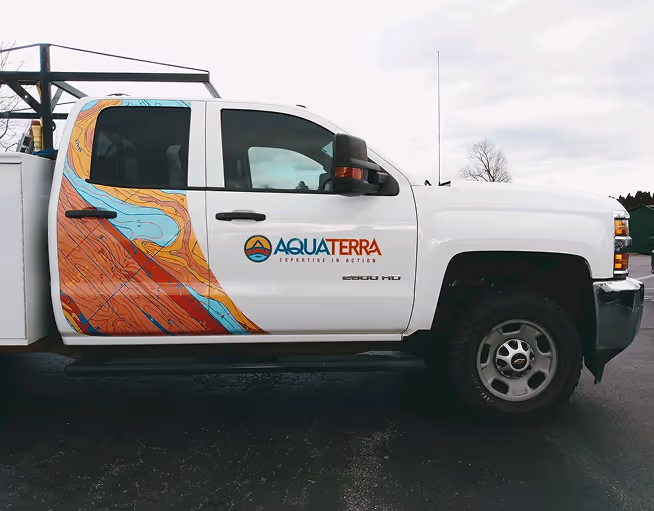
Vehicle Wraps & Lettering
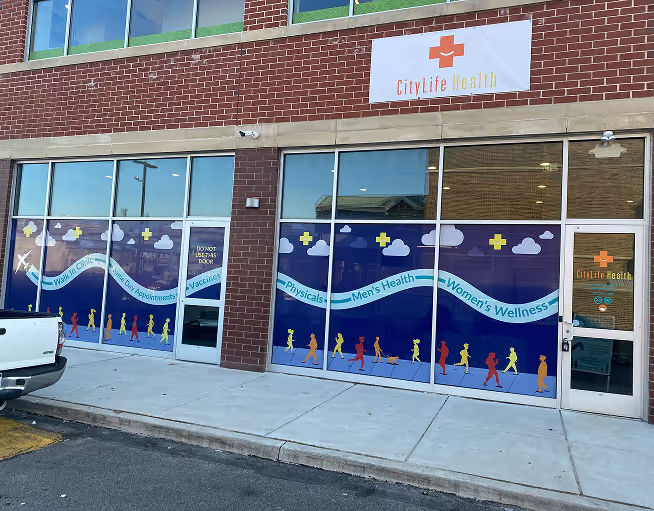
Wall & Window Vinyl
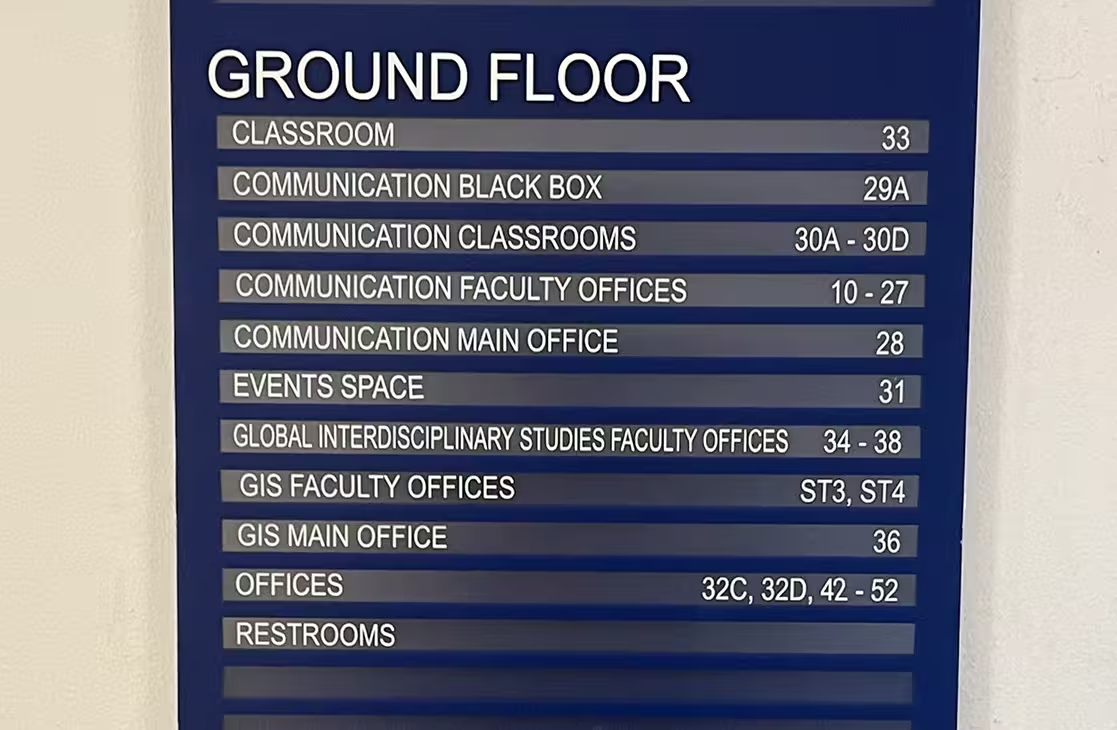
Wayfinding Signs
Let Us Make Your Perfect Sign
Main Office

Tell us about your project