
How Often Should I Replace My Business Signs?
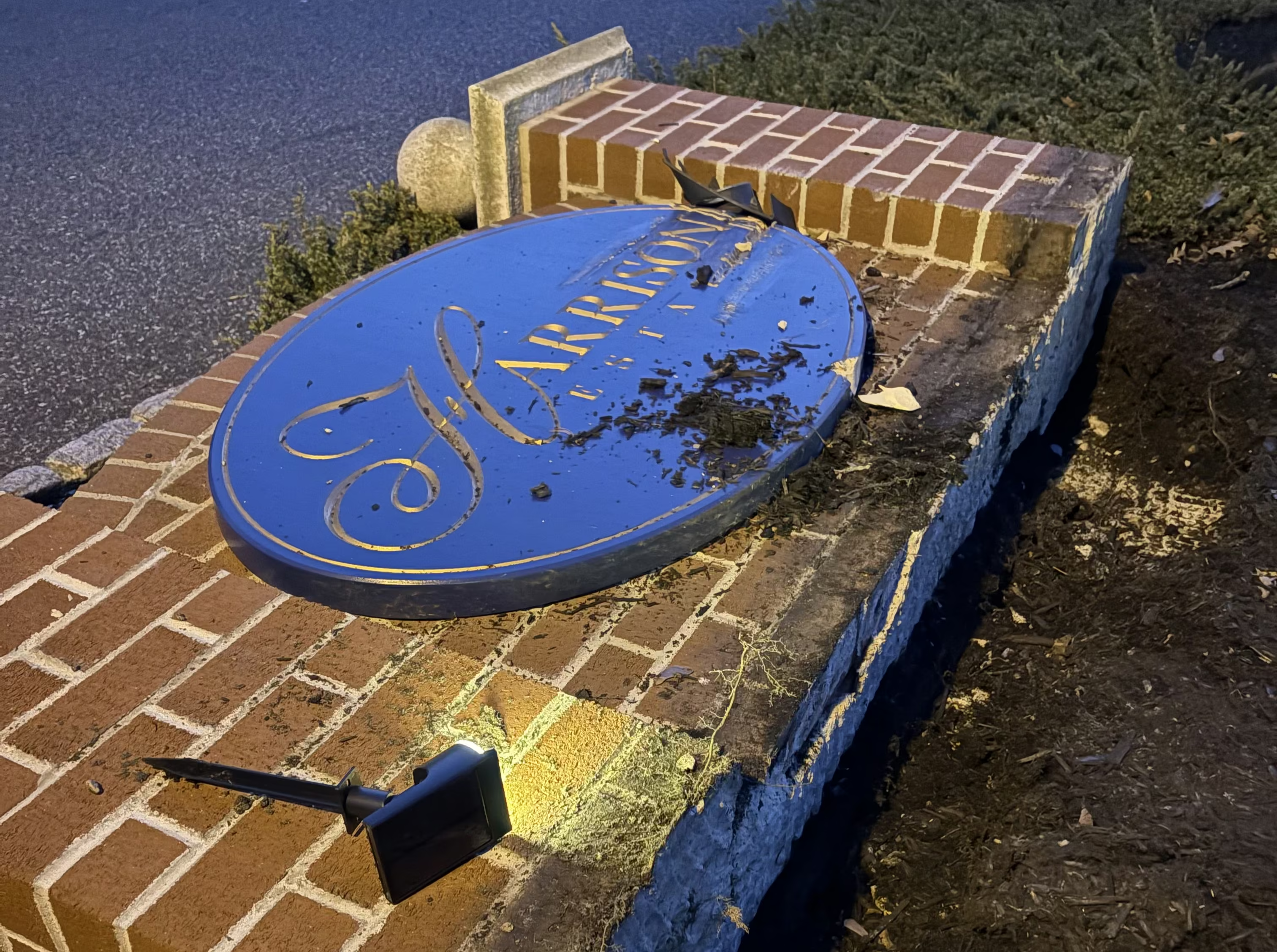
Business signage is one of the most visible representations of a company, but many businesses underestimate how important it is to keep signs updated and well maintained. While a sign is designed to last for years, there are clear circumstances when replacing or upgrading signage becomes a worthwhile investment. In many cases, outdated signs can hurt customer perception, reduce visibility, and make a business appear neglected. Replacing business signs at the right time helps maintain a professional image, strengthen branding, and ensure that a company continues attracting customers effectively.
Making a Strong Impression
One of the most common reasons to replace business signage is visible wear and damage. Outdoor signs are constantly exposed to sunlight, rain, snow, wind, and temperature changes. Over time, colors fade, lighting becomes inconsistent, and materials may crack, peel, or rust. Even small signs of deterioration can influence how customers perceive a business. A faded or broken sign may unintentionally suggest that the company is outdated or inattentive to detail. Businesses that depend heavily on customer trust, such as restaurants, medical offices, retail stores, and service providers, benefit significantly from maintaining fresh and professional-looking signage. In many cases, replacing an aging sign every five to ten years helps preserve a strong first impression.
Technology and design trends also influence how often businesses should consider updating their signage. Consumer expectations change over time, and signs that once appeared modern may eventually look outdated. Businesses competing in industries such as retail, hospitality, fitness, or technology often benefit from more frequent updates because appearance strongly affects customer perception. Modern materials, LED lighting, digital displays, and cleaner design styles can make a business appear more current and appealing. While not every trend requires a complete replacement, periodic updates can help businesses remain visually competitive.
Making a Change
Another important time to replace signage is during a rebranding effort. Businesses evolve over time, and their signage should reflect their current identity. Changes in logos, colors, slogans, or company messaging create inconsistencies if old signs remain in place. Replacing signage during a rebrand helps establish a cohesive image that customers recognize across all platforms. This is especially important for growing companies that want to appear modern, competitive, and aligned with current market trends. Updated signage signals progress and professionalism while reinforcing brand recognition.
Relocation or expansion is another circumstance where replacing signs becomes worthwhile. When businesses move to a new location, existing signage may no longer fit the new environment or attract the right audience. A larger storefront, busier street, or different customer demographic may require a completely new signage strategy. Similarly, companies opening additional locations often invest in updated signs to create consistency across all properties. Unified branding across multiple locations helps customers recognize the business instantly and builds greater trust in the brand overall.
Refreshing with the Times
Sign replacement is also worth considering when signage no longer performs effectively. If a business experiences reduced visibility, declining walk-in traffic, or customer confusion about its location, the sign itself may be part of the problem. Poor readability, outdated fonts, insufficient lighting, or obstructed placement can limit a sign’s effectiveness. Replacing or redesigning signage in these situations can improve visibility and help attract more attention from passing customers. In busy commercial areas, even small improvements in visibility can make a noticeable difference in customer traffic.
Regulatory changes or property renovations may also require businesses to replace signs. Cities and shopping centers sometimes update signage codes regarding size, lighting, or placement. Businesses that fail to comply may face fines or restrictions. In addition, building renovations can make older signage appear mismatched or unprofessional. Replacing signs during renovations ensures that the business maintains a polished and consistent appearance.
Although replacing signage requires an upfront investment, the long-term benefits often justify the cost. Unlike short-term advertising campaigns, high-quality signage works continuously to promote the business every day. A clean, modern sign improves customer confidence, supports branding, and increases visibility without recurring advertising expenses. Businesses that wait too long to replace damaged or outdated signs may unintentionally lose customers before realizing the impact.
Ultimately, there is no single timeline for replacing business signs because the right schedule depends on the industry, location, materials, and condition of the sign itself. However, businesses should regularly evaluate whether their signage still reflects the quality and identity they want customers to associate with their brand. When signs become worn, outdated, ineffective, or inconsistent with the company’s image, replacement becomes a worthwhile investment that supports both customer perception and long-term growth.
Want to make a change or maintain your investment? Give us a call at (610) 692-0525 or tell us about your project online.
Our Signs
Explore custom signs by category and see what's possible.
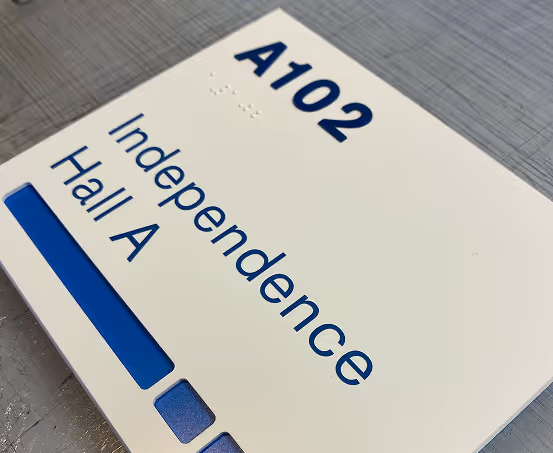
ADA & Braille Signs
%201.avif)
Acrylic Panel Signs
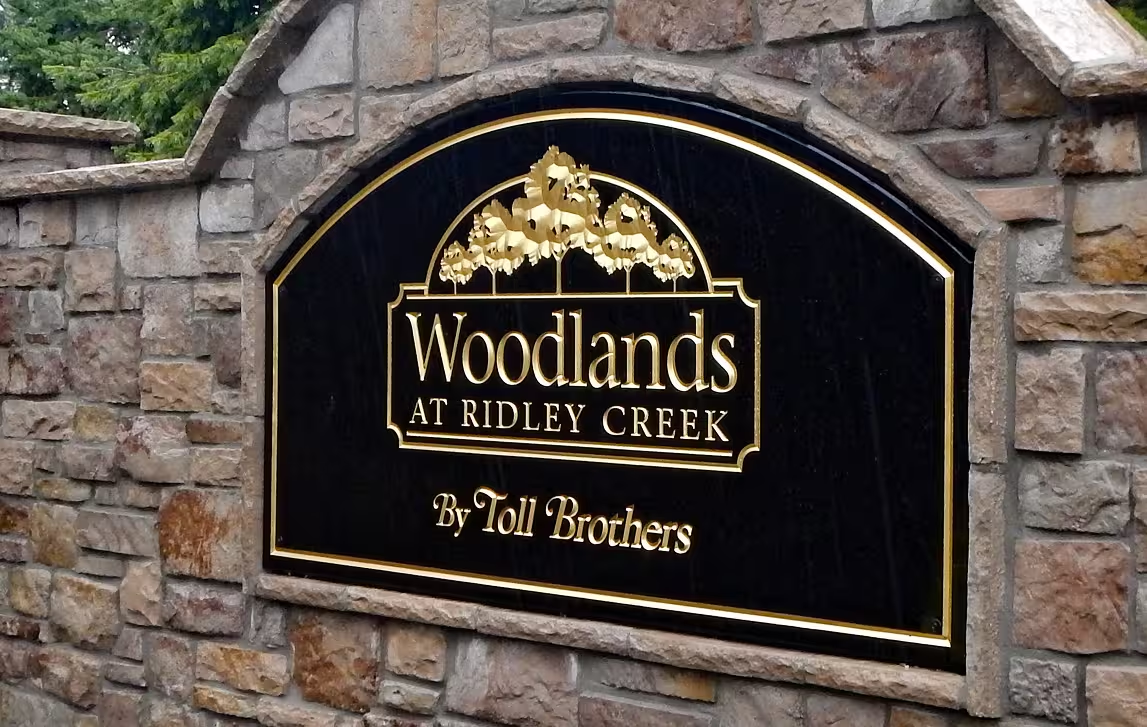
Carved Signs

Dimensional Letters
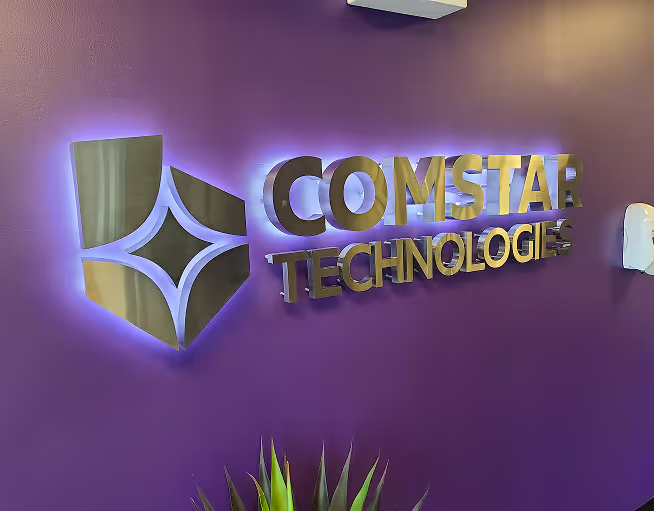
LED Illuminated Signs
Monument Signs
Plaques

Vehicle Wraps & Lettering

Wall & Window Vinyl
Wayfinding Signs
Let Us Make Your Perfect Sign
Main Office

Tell us about your project