
How to Choose Between Acrylic and Metal Sign Materials
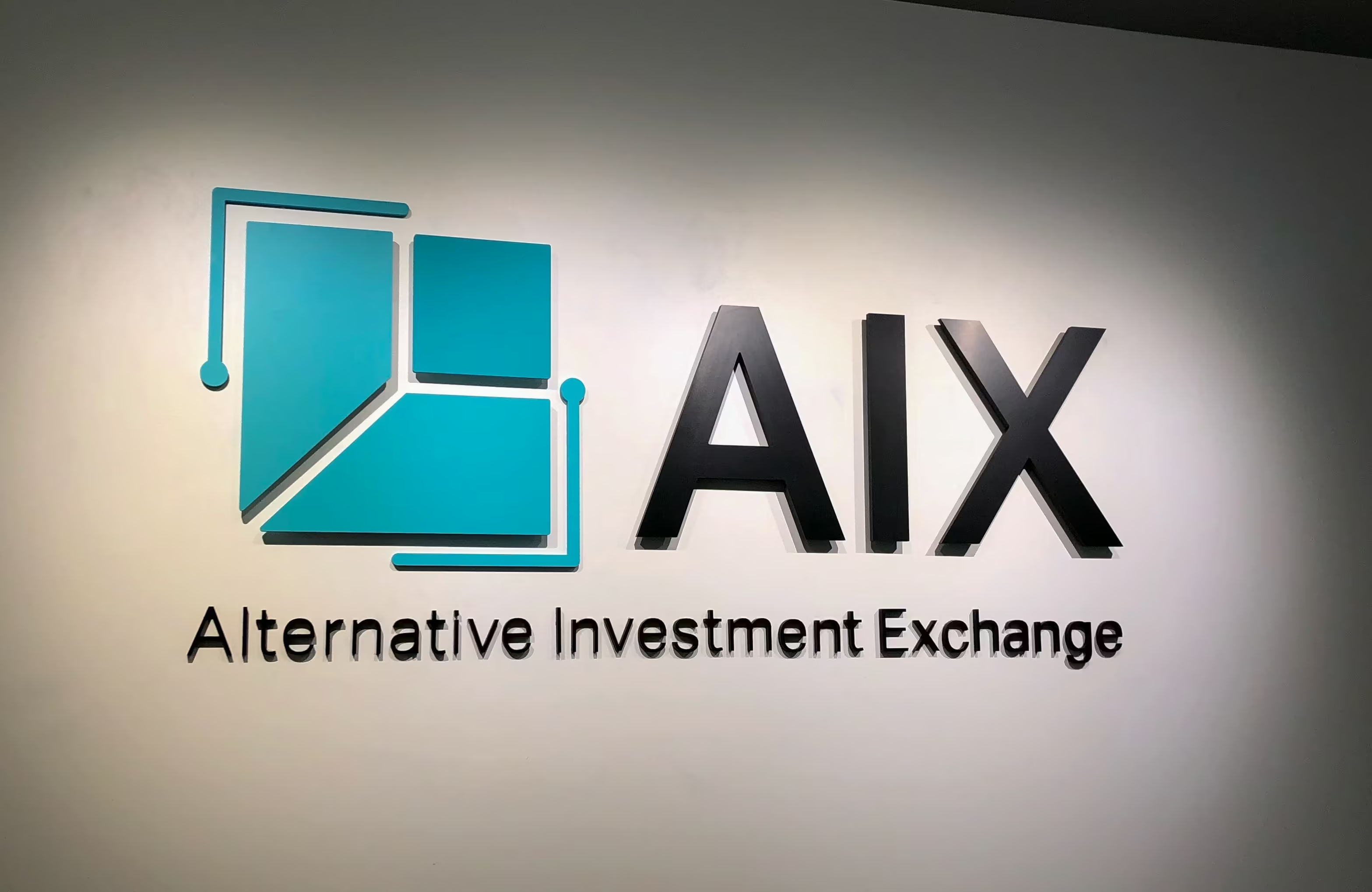
Selecting the right material for your business signage is an important decision that affects durability, appearance, cost, and overall brand perception. Two of the most popular options are acrylic and metal, each offering distinct advantages depending on your goals and environment. Acrylic signs are known for their sleek, modern look and versatility, while metal signs are valued for their strength, longevity, and premium feel. Understanding the differences between these materials can help you choose the best option for your storefront, interior space, or exterior branding needs.
Understand the Visual Style You Want to Achieve
Acrylic signs are often chosen for their clean, polished appearance. They can be made in a variety of colors, finishes, and levels of transparency, making them ideal for modern, minimalist branding. Acrylic also works well with dimensional lettering and illuminated signage, giving businesses a vibrant and contemporary look.
Metal signs, on the other hand, create a more traditional or industrial aesthetic. Materials such as aluminum, stainless steel, and brass offer a sense of durability and sophistication. Businesses that want to project strength, permanence, or luxury often prefer metal signage for this reason.
When deciding between the two, consider your brand personality. A tech company or boutique store may lean toward acrylic for its sleek feel, while a law firm, hotel, or corporate office might choose metal for a more authoritative presence.
Compare Durability and Environmental Performance
Durability is a key factor when choosing sign materials, especially for outdoor use. Metal signs are highly resistant to weather conditions, including rain, wind, and temperature changes. Aluminum, in particular, is lightweight yet strong, making it a reliable option for long-term outdoor signage.
Acrylic is also durable but can be more vulnerable to scratching and UV exposure over time if not properly treated. However, high-quality acrylic with protective coatings can still perform well in many outdoor environments, especially when used in sheltered locations or combined with proper maintenance.
For harsh climates or high-traffic areas, metal may be the more reliable long-term investment. For indoor use or controlled environments, acrylic can offer excellent durability while maintaining a polished appearance.
Evaluate Cost and Maintenance Requirements
Cost is another important consideration when choosing between acrylic and metal signage. Acrylic is generally more affordable to produce and install, making it a popular choice for businesses working within tighter budgets. It also allows for more flexibility in design without significantly increasing costs.
Metal signs typically require a higher initial investment due to material costs and fabrication processes. However, they often last longer, which can make them more cost-effective over time. Their durability can reduce the need for frequent replacements or repairs.
Maintenance requirements also differ. Acrylic may require more frequent cleaning to avoid visible scratches or smudges, while metal signs generally require minimal upkeep and retain their appearance longer with less effort.
Consider Installation and Versatility
Acrylic signs are lightweight and easier to install, which can reduce labor costs and installation time. They can be mounted directly onto walls, used as standoff signs, or incorporated into illuminated displays. Their versatility makes them suitable for a wide range of indoor applications such as lobbies, retail spaces, and office interiors.
Metal signs, while heavier, offer strong structural integrity and are often used for exterior building signage, monument signs, and long-term installations. Their weight and rigidity make them ideal for large-scale signage that must withstand environmental stress.
Both materials can be customized in terms of shape, finish, and branding elements, but acrylic tends to offer more flexibility in color variation, while metal excels in texture and depth.
Choosing between acrylic and metal sign materials depends on your brand image, budget, durability needs, and installation requirements. Acrylic offers a modern, cost-effective, and versatile solution ideal for indoor and decorative applications, while metal provides long-lasting strength and a premium appearance suited for exterior and high-impact signage. By carefully evaluating these factors, businesses can select the material that best enhances their visibility, supports their branding, and delivers lasting value.
Ready to connect with a sign design specialist? Give us a call at (610) 692-0525 or tell us about your project online.
Our Signs
Explore custom signs by category and see what's possible.
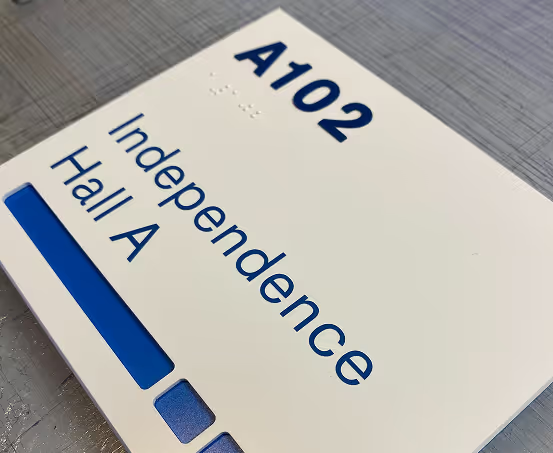
ADA & Braille Signs
%201.avif)
Acrylic Panel Signs
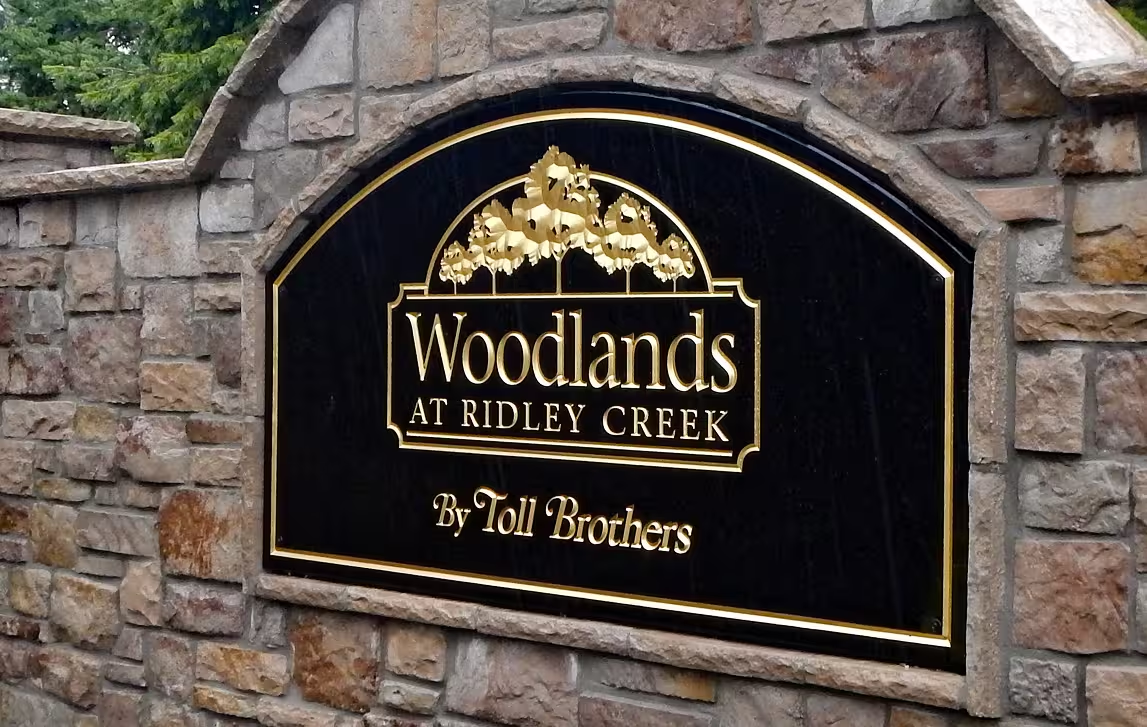
Carved Signs

Dimensional Letters
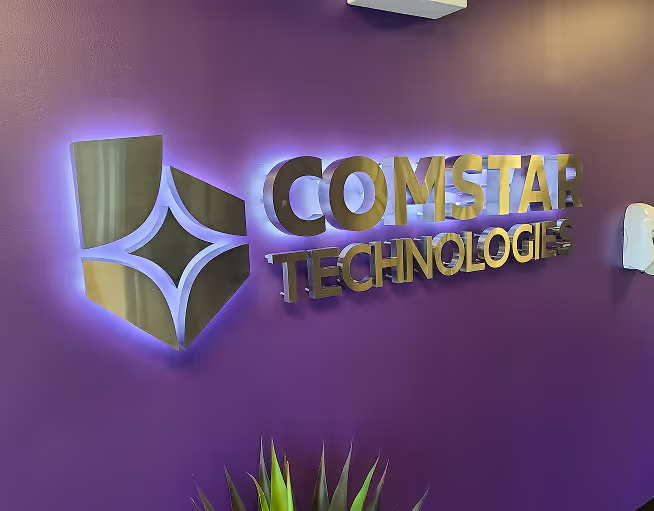
LED Illuminated Signs

Monument Signs
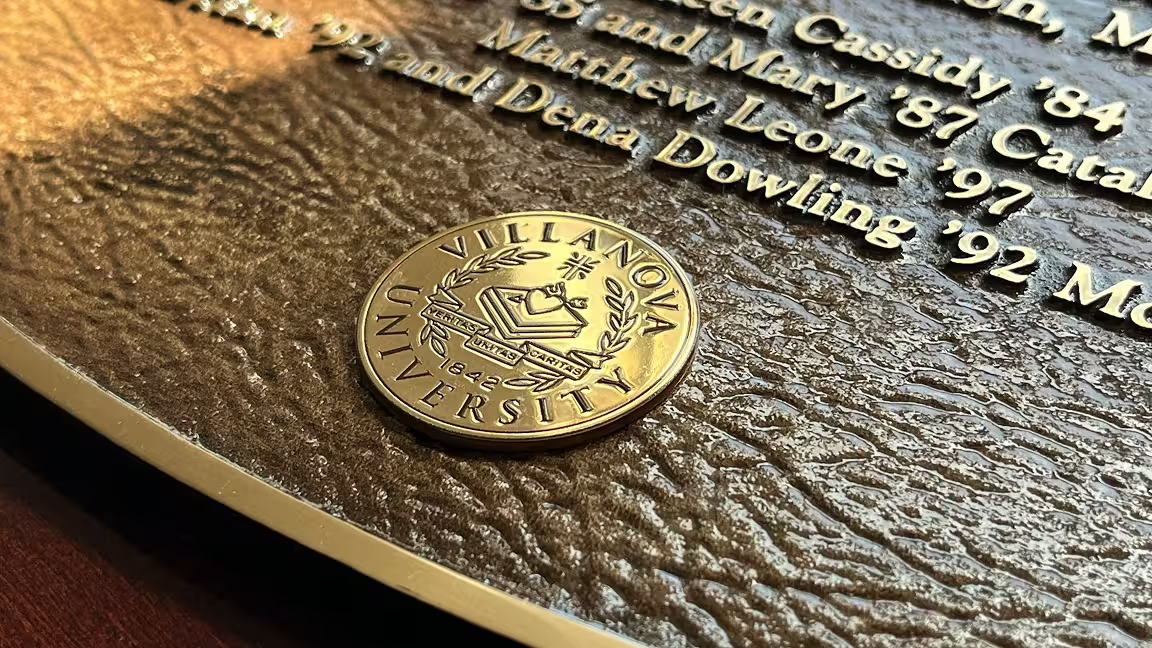
Plaques
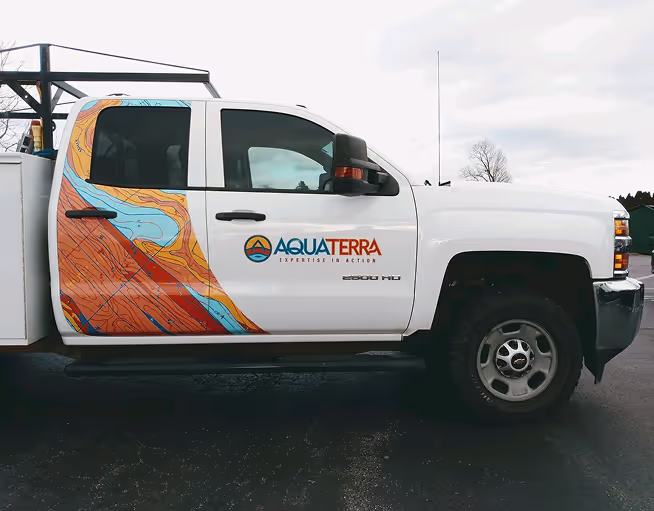
Vehicle Wraps & Lettering

Wall & Window Vinyl
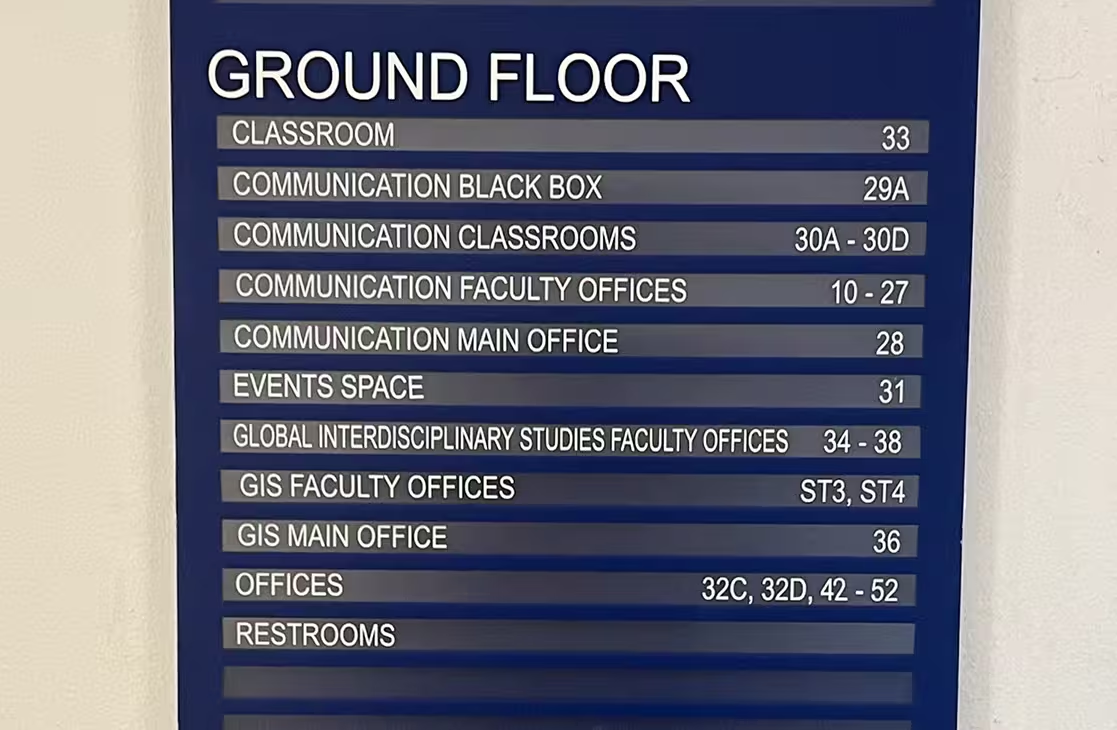
Wayfinding Signs
Let Us Make Your Perfect Sign
Main Office

Tell us about your project