
How to Design Effective Wayfinding Signage for Your Building
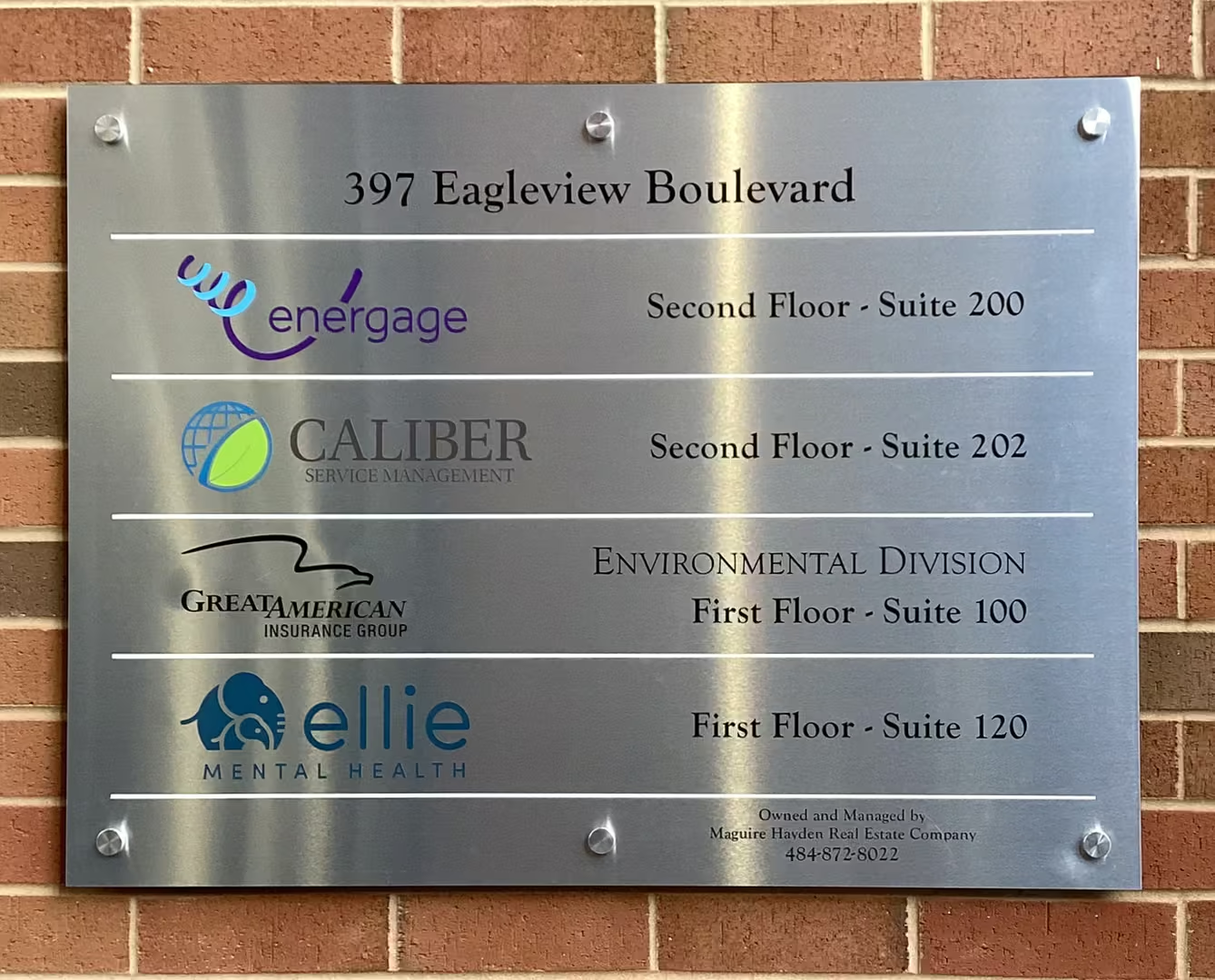
Wayfinding signage helps people navigate a building or property by providing clear directions, identifying destinations, and reducing confusion. Effective wayfinding is more than simply placing arrows around a facility; it requires thoughtful planning based on how visitors move through a space and what information they need at each point. When designed properly, wayfinding signs can improve the customer experience, reinforce a business’s brand, and help visitors reach their destinations confidently.
Understand How People Move Through the Space
The first step in designing effective wayfinding signage is understanding the building and how people use it. Consider the primary entrances, parking areas, elevators, stairways, corridors, reception areas, restrooms, and other important destinations. Identifying common decision points helps determine where directional information will be most useful.
Wayfinding signs should appear before visitors need to make a decision, rather than after they have already reached an intersection or doorway. For example, a visitor approaching a hallway with several offices should be able to see directional information before choosing which direction to take. Planning signage around the natural flow of traffic makes navigation more intuitive.
Make Information Clear and Easy to Read
An effective wayfinding sign communicates information quickly. Visitors should not have to stop and study a sign to understand where they need to go. Simple wording, readable fonts, strong contrast, recognizable symbols, and appropriately sized lettering can make signs easier to understand from a distance.
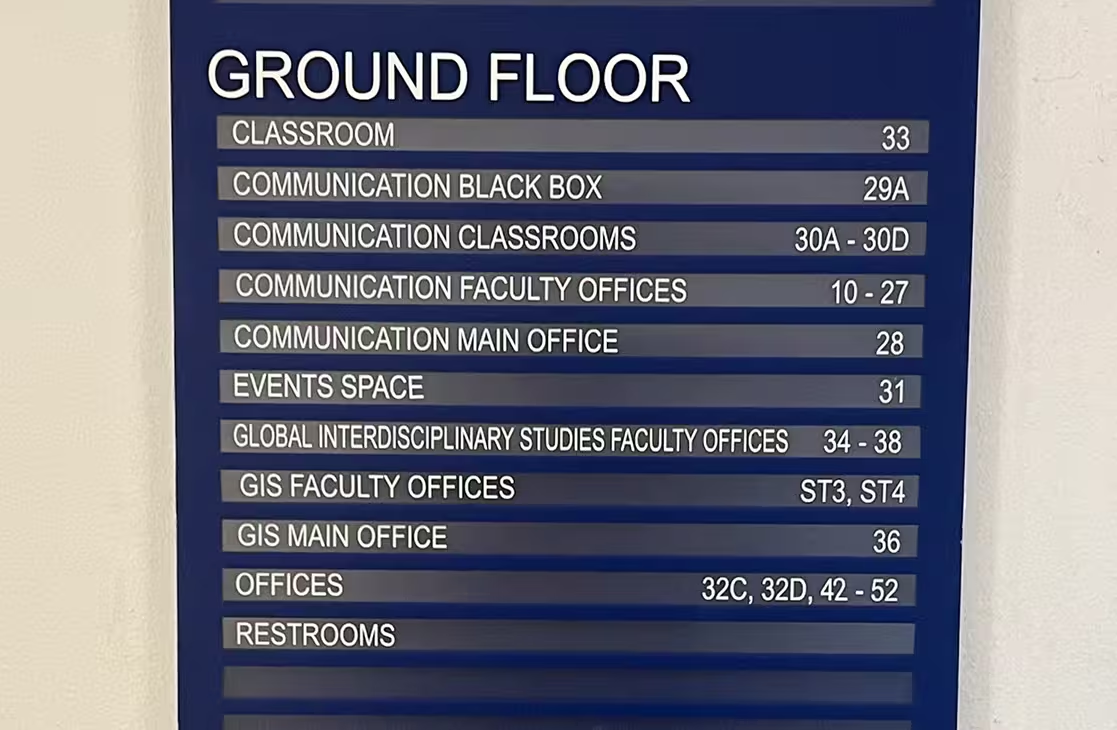
The amount of information on each sign also matters. Overloading a directory with too many destinations can make it difficult to find the relevant information. Grouping related destinations and using consistent terminology throughout the building creates a more predictable experience.
Signs should also account for different viewing conditions. Lighting, viewing distance, mounting height, and the surrounding environment can all affect readability. A sign that looks clear up close may not work as effectively when visitors are approaching it from across a lobby or hallway.
Create a Consistent Signage System
Wayfinding works best when individual signs function as part of a larger system. Directional signs, room identification signs, directories, and informational signs should share consistent design elements, including colors, typography, materials, symbols, and visual hierarchy. This allows visitors to recognize wayfinding signage throughout the building.
Consistency also helps establish a professional appearance. Businesses can incorporate brand colors or design elements without sacrificing readability. The goal is to balance branding with functionality so that the signs look like they belong to the business while still communicating directions clearly.
A cohesive system should also use consistent language. If one sign calls an area “Reception” and another calls it “Front Desk,” visitors may wonder whether the terms refer to different locations. Establishing terminology before signs are fabricated can prevent unnecessary confusion.
Design for Accessibility and Flexibility
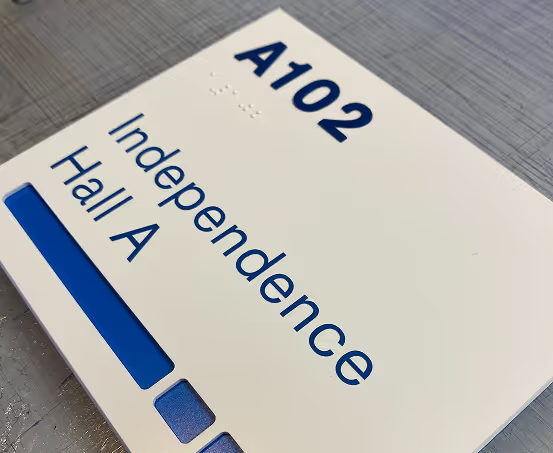
Accessibility should be an important consideration when developing a wayfinding system. Depending on the application and building requirements, signage may need to incorporate features such as tactile lettering, Braille, high-contrast colors, and accessible mounting locations. ADA signage can be especially important for identifying permanent rooms and spaces.
It is also useful to consider how the building may change over time. Businesses move departments, add offices, or change tenants, so directory and wayfinding systems should be designed with future updates in mind. Modular panels, interchangeable inserts, or other flexible components can make it easier to update information without replacing an entire sign.
Effective wayfinding signage combines thoughtful placement, clear communication, consistent design, accessibility, and an understanding of how people navigate a building. The best systems provide visitors with the right information at the right time without overwhelming them. By treating wayfinding as a complete signage system rather than a collection of individual signs, businesses can create a more welcoming, efficient, and professional environment for everyone who enters their property.
Ready to get started on your next custom signage project? Give us a call at (610) 692-0525 or tell us about your project online.
Our Signs
Explore custom signs by category and see what's possible.
ADA & Braille Signs

Acrylic Panel Signs
Carved Signs

Dimensional Letters
LED Illuminated Signs
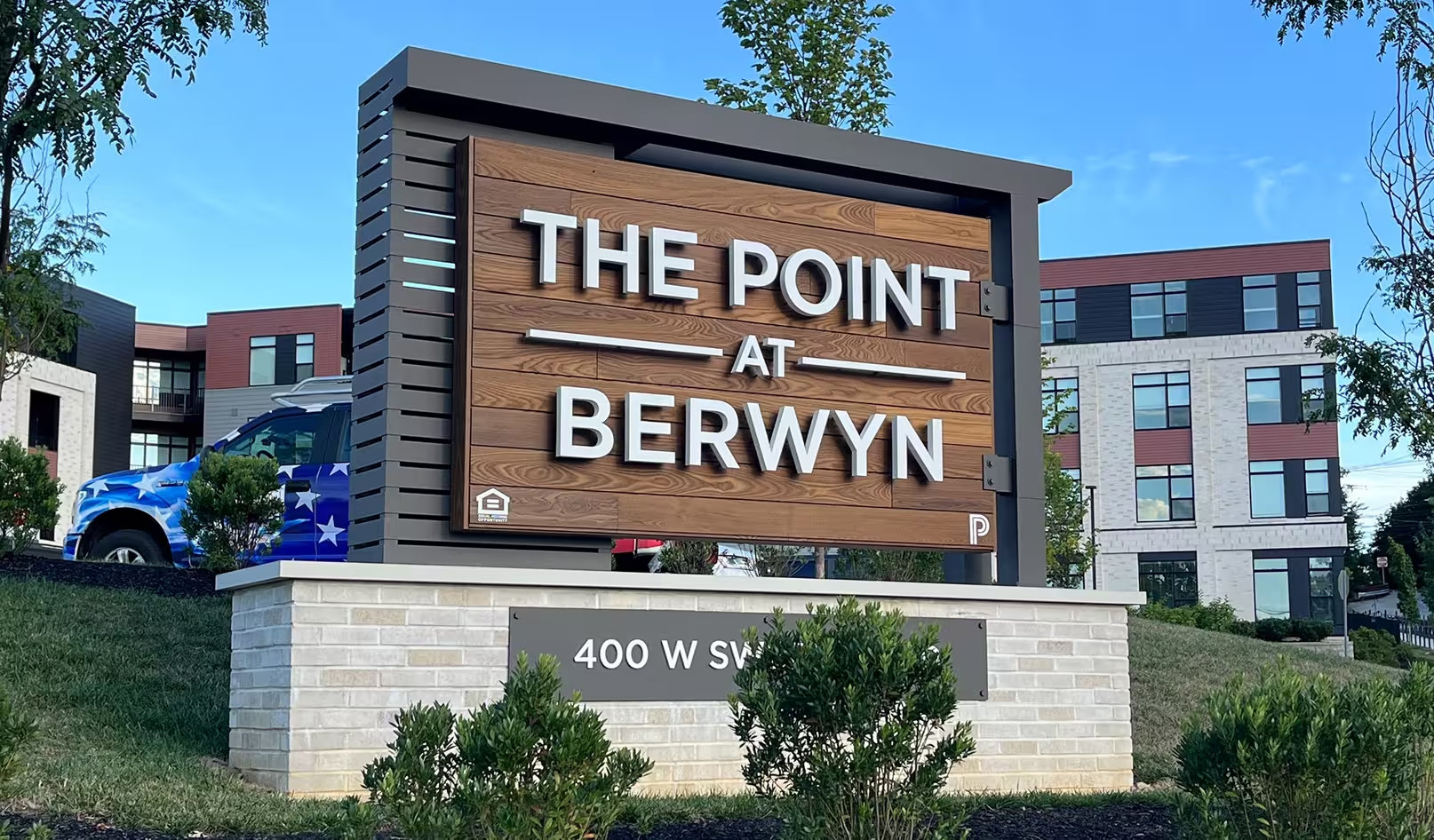
Monument Signs
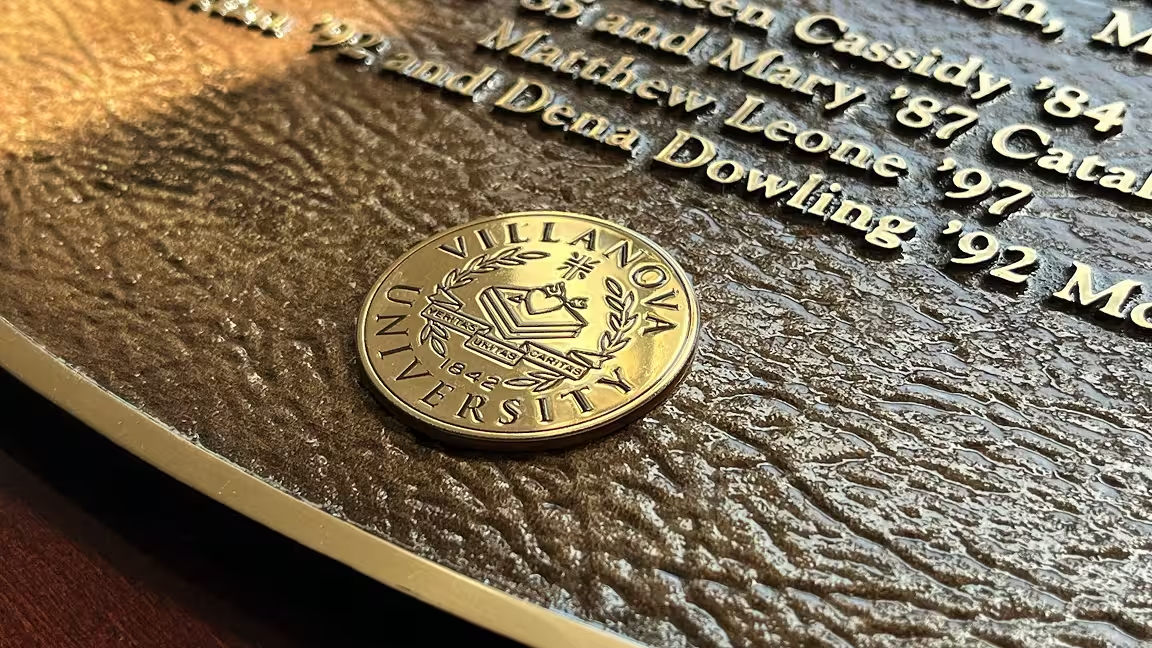
Plaques
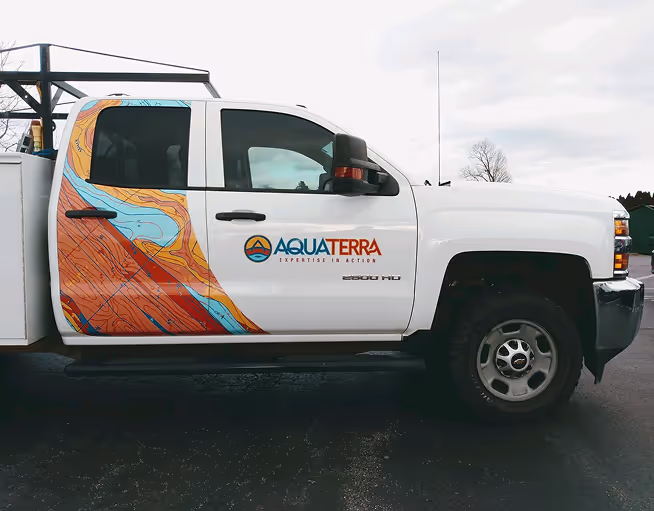
Vehicle Wraps & Lettering
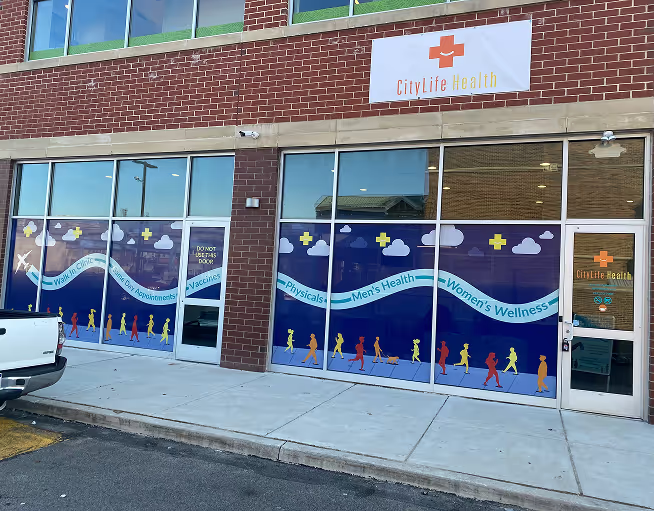
Wall & Window Vinyl
Wayfinding Signs
Let Us Make Your Perfect Sign
Main Office

Tell us about your project