
Three Stunning Sign-Lighting Techniques
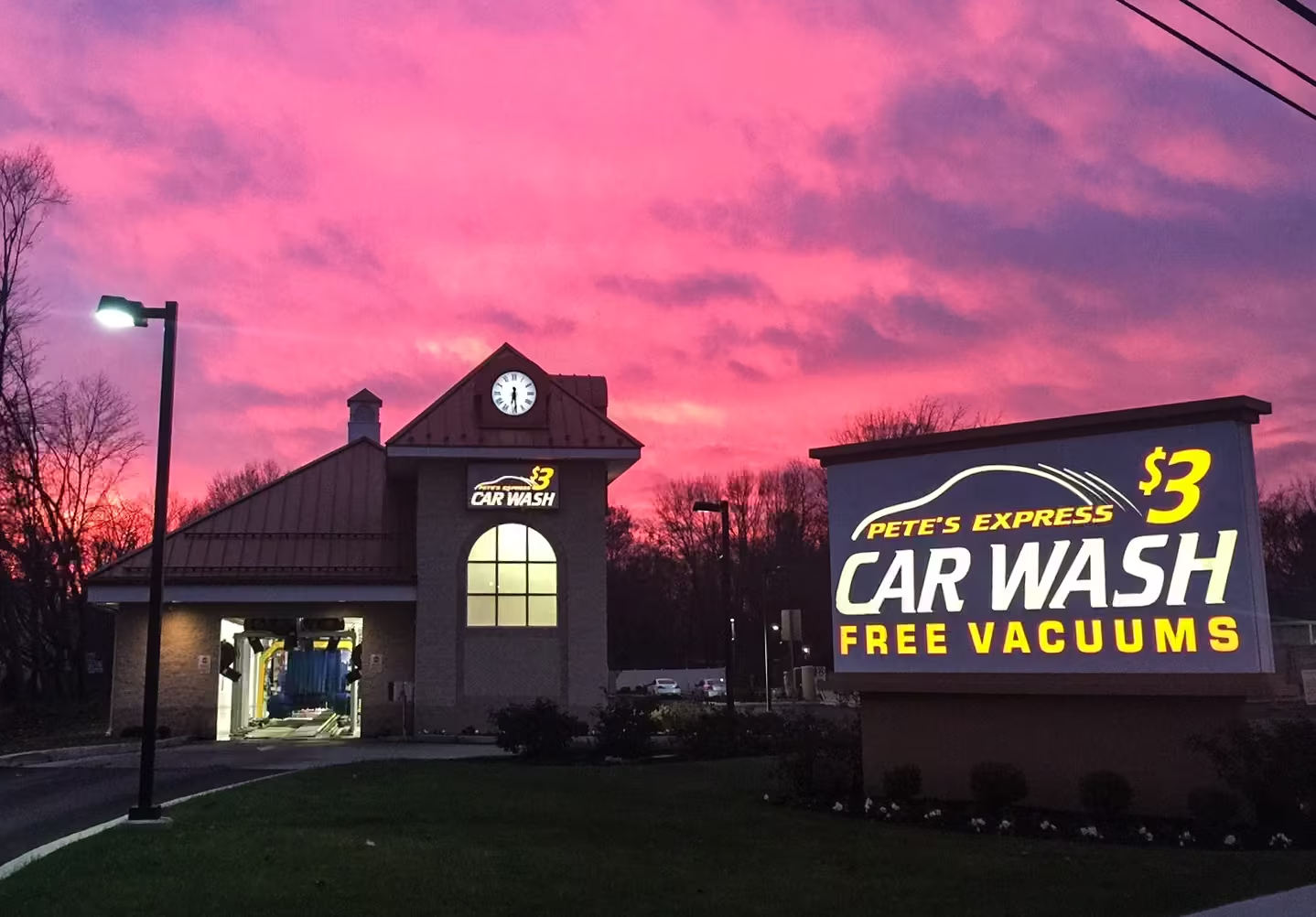
Before making a decision regarding the ideal sign for your business, it’s important to consider specific factors. The location of your business, the building your company is located in, and the message you want to convey to your customers are all important elements to think about. A storefront on a busy street may benefit from bold, high-visibility lighting, while a professional office or historic building might call for something more understated. The goal is always the same: make your sign readable, attractive, and consistent with your brand identity after dark.
Below, we have outlined three different lighting methods.
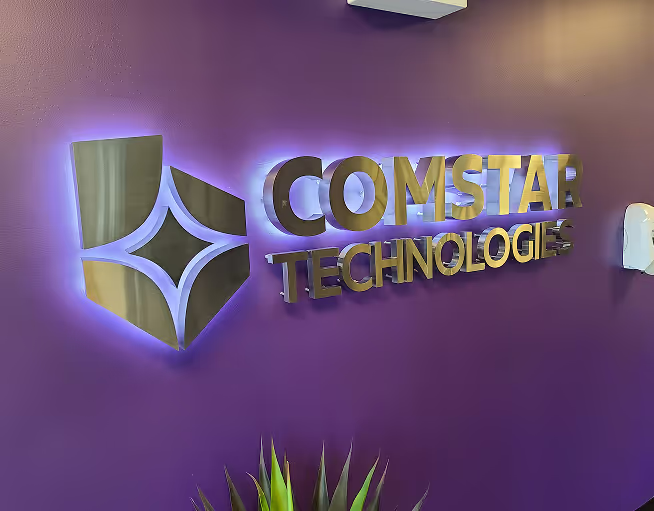
Channel Letters
These custom-made signs are composed of aluminum cans that are covered with a translucent material. Then, LED lights create an illuminating effect, lighting up logos and lettering from either the front or back.
Channel letters are one of the most recognizable illuminated signage options because they combine dimension with direct lighting. Each letter is individually fabricated, which allows for precise branding, clean spacing, and strong visibility from multiple angles. This makes them especially effective for retail stores, restaurants, entertainment venues, and commercial buildings that rely on foot traffic and nighttime visibility.
The benefits go beyond appearance. Channel letters use LED lighting, which is energy-efficient and long-lasting compared to older neon systems. This reduces maintenance costs over time while still providing a bright, consistent glow. They can also be customized in nearly every way, including color, size, font, and lighting style. Whether front-lit for maximum brightness or halo-lit for a softer glow, the design can be adjusted to match the tone of the business.
Installation typically involves mounting each letter directly to the building façade or attaching them to a raceway that houses electrical components. Precision is important during installation to ensure even spacing and alignment, since even small inconsistencies are noticeable once the lights are on. Electrical connections must also be properly sealed and protected from weather exposure, especially in outdoor environments.
In terms of care, channel letters require relatively little maintenance. Occasional cleaning of the letter faces helps maintain brightness, and periodic checks ensure all LEDs are functioning properly. If a section becomes dim or fails, it can usually be serviced without replacing the entire sign, which adds to their long-term practicality.
Gooseneck Light
There are options for lighting up your sign that use an external light source. The result is eye-catching, but more subtle than channel letters. Gooseneck lights hang above a sign, using a lock neck to create distance, while a lightbar uses smaller lights and bars to achieve the same effect. This option works well for carved signs and dimensional lettering.
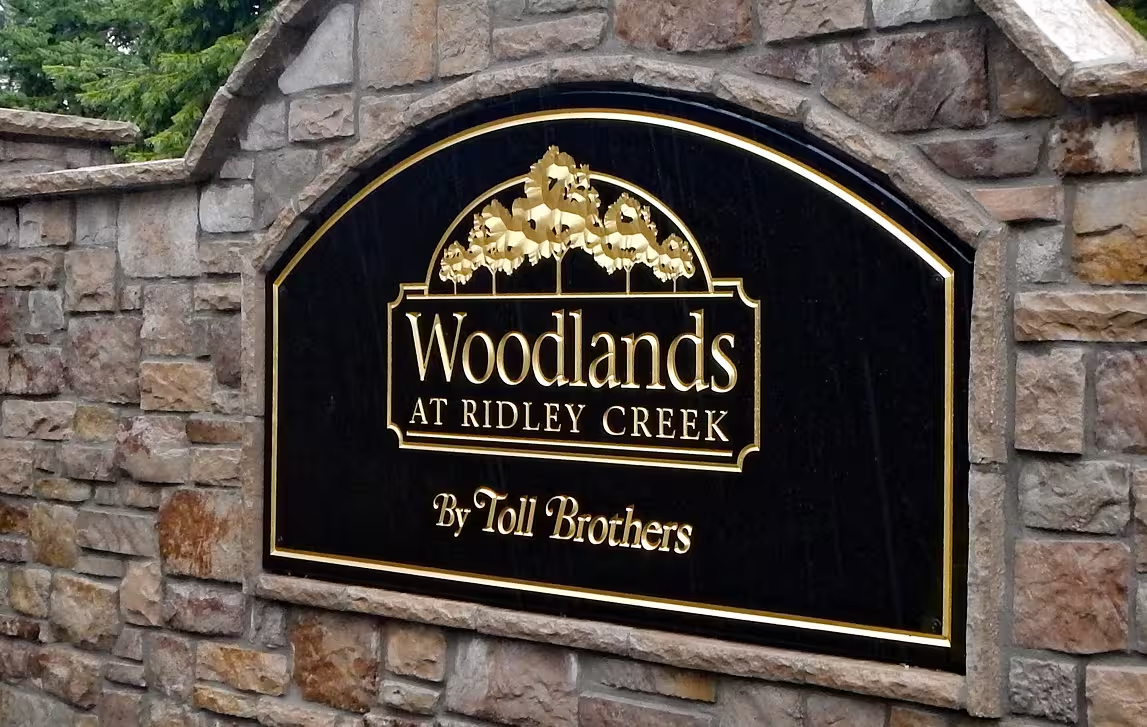
Gooseneck lighting is often chosen for businesses that want a more traditional or handcrafted look. Instead of lighting the sign from within, the illumination comes from fixtures mounted above or around it. This creates a warm, focused light that highlights texture and depth, especially on carved wood-style signs, HDU signs, or dimensional lettering.
One of the key advantages of this method is its flexibility. Gooseneck fixtures can be adjusted in angle and intensity, allowing light to be directed exactly where it’s needed. This makes it possible to create a dramatic focal point without overpowering the surrounding architecture. It’s a popular choice for boutiques, cafes, historic districts, and businesses aiming for a classic aesthetic.
Installation involves mounting both the sign and the lighting fixtures securely to the building surface. Electrical wiring is typically routed through the wall to keep it hidden and protected. Proper positioning is important so that the light evenly covers the sign without creating harsh shadows or glare. Because fixtures are exposed, they also need to be weather-resistant and securely fastened to handle wind and environmental conditions.
Care for gooseneck lighting includes occasional cleaning of both the fixtures and the sign surface. Dust, insects, and weather buildup can reduce light output over time. It’s also important to check that fixtures remain tightly secured and properly angled. Replacing bulbs or LED components as needed helps maintain consistent illumination and keeps the sign looking its best.
Lighted Cabinet Signs
In some cases, your brand may call for a boldly lit sign, but channel letters may not be appropriate. An alternative option is to use a lighted cabinet sign, so your sign can stand alone without a wall. You can also add some depth to your cabinet sign by adding a routed face, where the light shines through light-permeable material from inside the cabinet.
Cabinet signs, sometimes called box signs, are a practical and highly visible lighting solution. They consist of a single enclosure that houses internal lighting, with the sign face acting as the illuminated display surface. This makes them especially useful for freestanding signs, multi-tenant buildings, and locations where a single, unified message is preferred over individual lettering.
One of the main benefits of cabinet signs is their strong, even illumination. Because the light source is contained within the structure, the entire face is evenly lit, making it easy to read from a distance and in low-light conditions. They can also be customized with routed or translucent faces, allowing for more design depth and brand personality while still maintaining clear visibility.
Installation typically involves mounting the cabinet to a wall, pole, or structural base. Electrical components are installed inside the unit and connected to a power source through protected wiring. Because of their size and weight, proper support and alignment are essential to ensure stability and safety. Permits are often required for outdoor cabinet signs, especially for larger installations.
Maintenance is relatively simple. Regular cleaning of the sign face helps maintain brightness and readability, while occasional inspections ensure that internal lighting components are functioning properly. If LEDs or other internal parts fail, they can usually be serviced without replacing the entire cabinet. Keeping the exterior clean and the lighting system in good working order helps extend the life of the sign and preserve its visual impact.
Create a Custom Sign that Looks Great Any Time of Day
For more information sign-lighting techniques or to get your project started at Elmark Sign Company, reach out to us online, and/or call us at (610) 692-0525.
Our Signs
Explore custom signs by category and see what's possible.
ADA & Braille Signs
%201.avif)
Acrylic Panel Signs
Carved Signs
Dimensional Letters
LED Illuminated Signs
Monument Signs
Plaques
Vehicle Wraps & Lettering

Wall & Window Vinyl
Wayfinding Signs
Let Us Make Your Perfect Sign
Main Office

Tell us about your project