
What does my Sign Communicate to Customers?
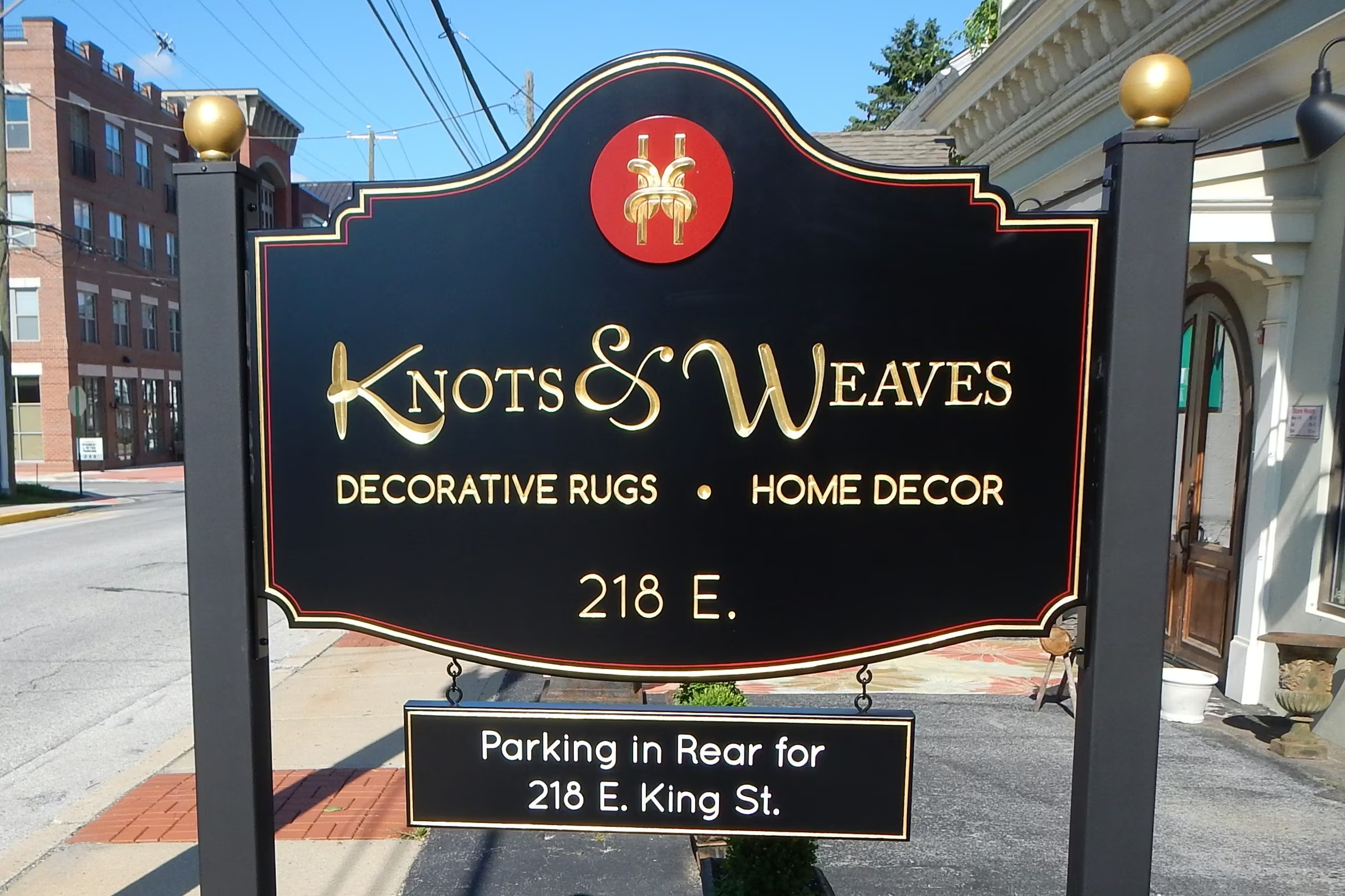
A sign does far more than simply identify a business—it communicates a wide range of messages to customers within seconds of being seen. In many cases, a sign is the first interaction a potential customer has with a business, and that first impression can heavily influence whether they choose to enter, inquire, or move on. Beyond basic information like a name or location, signage conveys brand personality, service level, professionalism, and even perceived value. Because of this, effective sign design requires careful consideration of both functional communication and subtle psychological cues.
Basic Information and Functional Clarity
At its most fundamental level, a sign must communicate clear, essential information. This includes the business name, location, and, when relevant, operational details such as hours or service categories. Without this basic clarity, even the most visually appealing sign fails its primary purpose.
In many cases, signage also communicates directional or practical information. For example, signs may indicate entrances, exits, parking areas, or service counters. These functional elements help customers navigate a space efficiently and reduce confusion, especially in larger buildings, retail centers, or medical facilities. The clearer this information is presented, the more comfortable and confident customers feel engaging with the business.
A well-designed sign ensures that this information is immediately legible from the appropriate viewing distance. Font choice, contrast, and scale all play a role in making sure that customers can quickly understand what the business is and what it offers without effort or hesitation.
Brand Identity and Visual Personality
Beyond basic facts, a sign communicates a business’s brand identity and personality. Elements such as logo design, typography, color palette, and layout all work together to express a certain style or “vibe.” For example, sleek modern fonts and minimalist design may suggest a high-end, contemporary business, while handwritten or decorative lettering might indicate a more casual or artisanal experience.
The consistency of branding across signage also reinforces recognition. When customers see the same visual identity on storefront signs, interior graphics, and marketing materials, it builds familiarity and trust. This consistency helps a business stand out in competitive environments where multiple companies may offer similar products or services.
Color choices are especially powerful in conveying emotion and brand tone. Bright, bold colors can suggest energy and affordability, while muted tones often communicate sophistication and exclusivity. A sign effectively becomes a visual shorthand for what customers can expect before they ever interact with a product or service.
Perceived Quality and Level of Service
A sign also communicates the perceived quality and professionalism of a business. Customers often make subconscious judgments about a company based on how its signage is designed, maintained, and presented. A clean, well-crafted, and properly installed sign suggests that the business is established, reliable, and attentive to detail.
On the other hand, a worn, faded, or poorly maintained sign can unintentionally signal neglect or low-quality service. Even if the actual products or services are excellent, the condition of the signage may influence initial expectations. For this reason, businesses often invest in durable materials and regular maintenance to ensure their signage reflects their desired level of professionalism.
Size and scale also play a role in perceived success. Large, prominent signage can suggest a well-established or high-traffic business, while smaller or understated signage may indicate a boutique or niche service. Both approaches can be effective, but they communicate very different expectations to customers.
Value, Pricing, and Customer Expectations
In many cases, signage also sets expectations around pricing and value. While signs may not always display explicit prices, design choices can subtly suggest whether a business is budget-friendly, mid-range, or premium. For example, simple vinyl signage with bold promotional messaging may imply affordability, while elegant dimensional lettering and refined materials often suggest higher-end offerings.
Promotional signs, in particular, directly communicate value by highlighting discounts, special offers, or key benefits. These messages are designed to capture attention quickly and influence purchasing decisions. The clarity and visibility of these messages can significantly impact customer behavior, especially in retail environments.
At the same time, signage helps establish trust by setting appropriate expectations. When customers understand what type of experience or service level to expect before entering a business, they are more likely to feel comfortable and satisfied with their visit.
A sign communicates far more than just a business name—it conveys essential information, brand identity, perceived quality, and even value expectations. Through thoughtful design choices in typography, color, scale, and material, signage helps shape how customers perceive and interact with a business. When executed effectively, a sign becomes a powerful communication tool that not only attracts attention but also builds trust and reinforces the overall customer experience.
Ready to design a sign to speak for your business? Give us a call at (610) 692-0525 or tell us about your project online.
Our Signs
Explore custom signs by category and see what's possible.
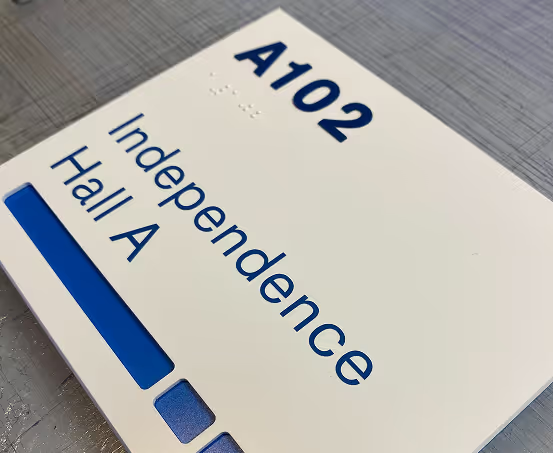
ADA & Braille Signs
%201.avif)
Acrylic Panel Signs
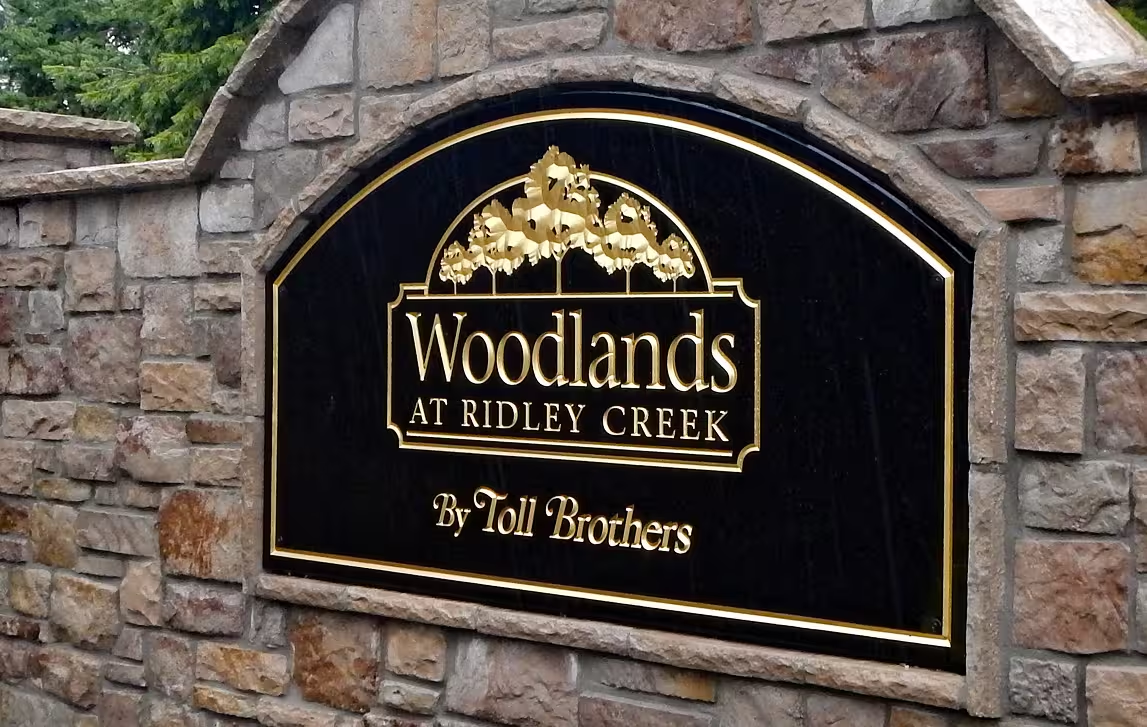
Carved Signs

Dimensional Letters

LED Illuminated Signs
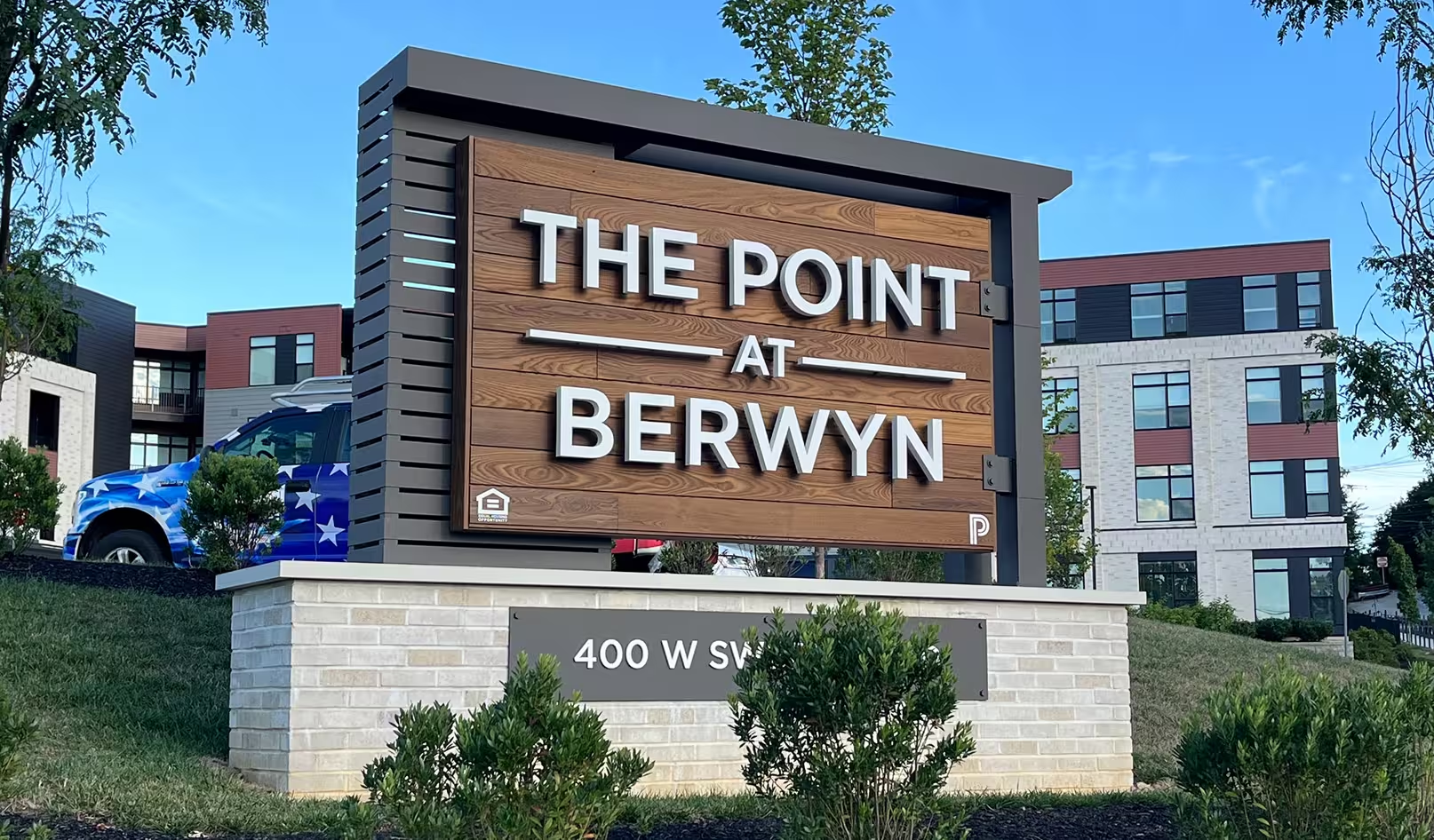
Monument Signs
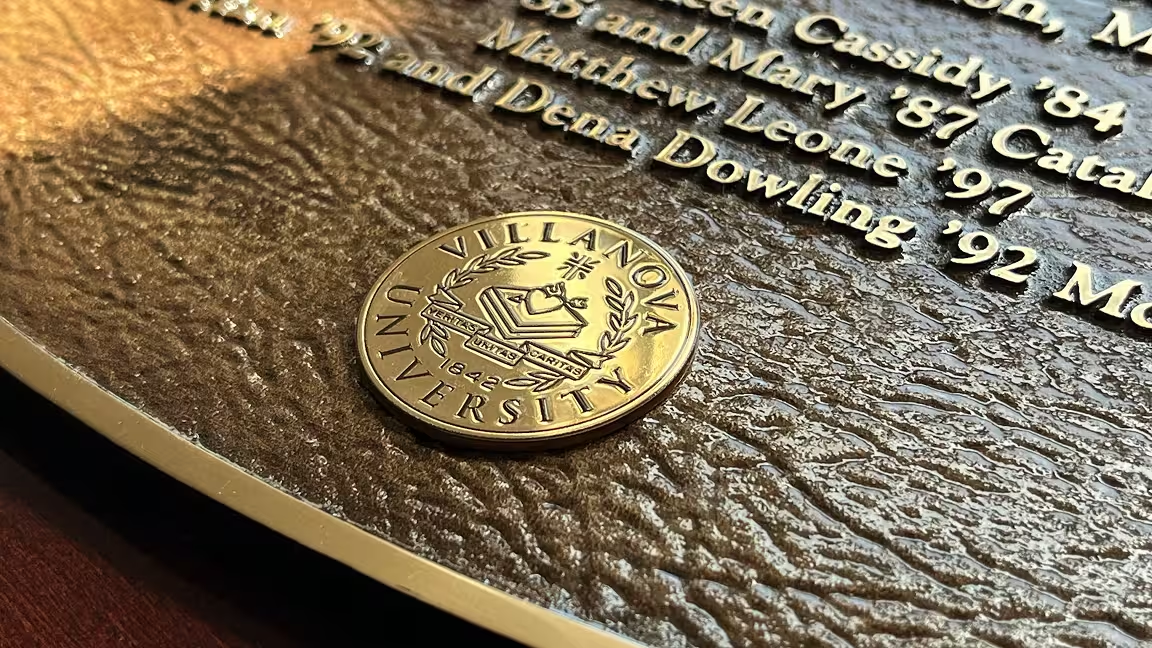
Plaques

Vehicle Wraps & Lettering

Wall & Window Vinyl
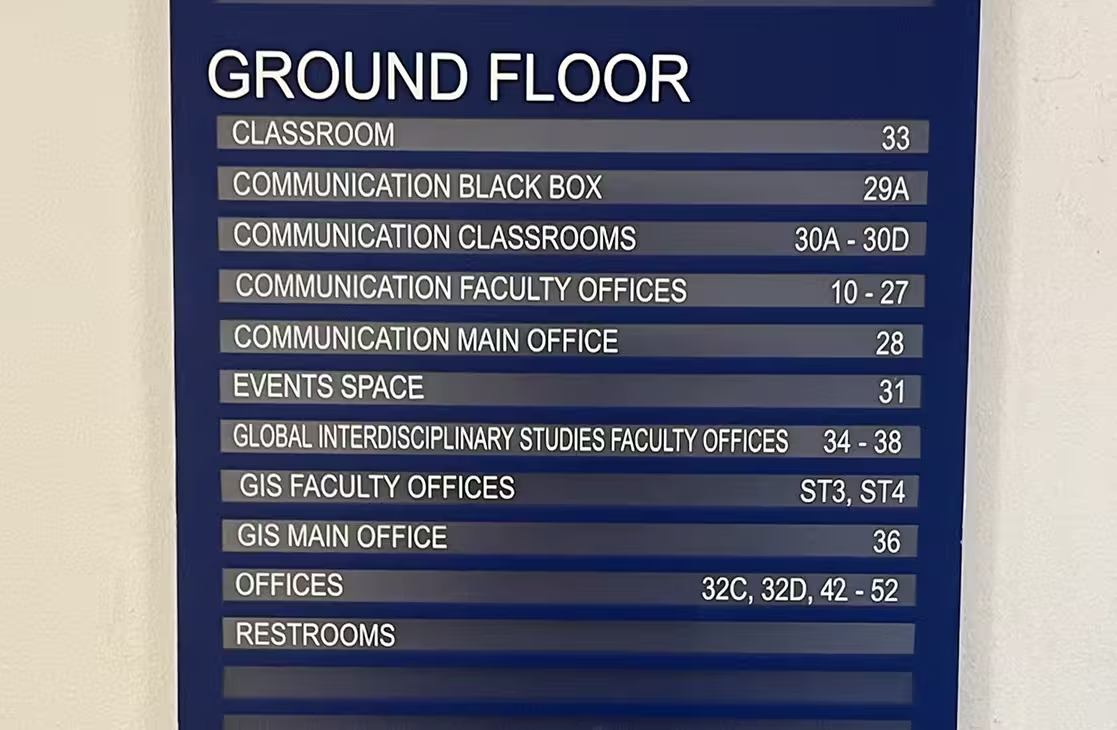
Wayfinding Signs
Let Us Make Your Perfect Sign
Main Office

Tell us about your project