
What is Included in Professional Sign Design Services?
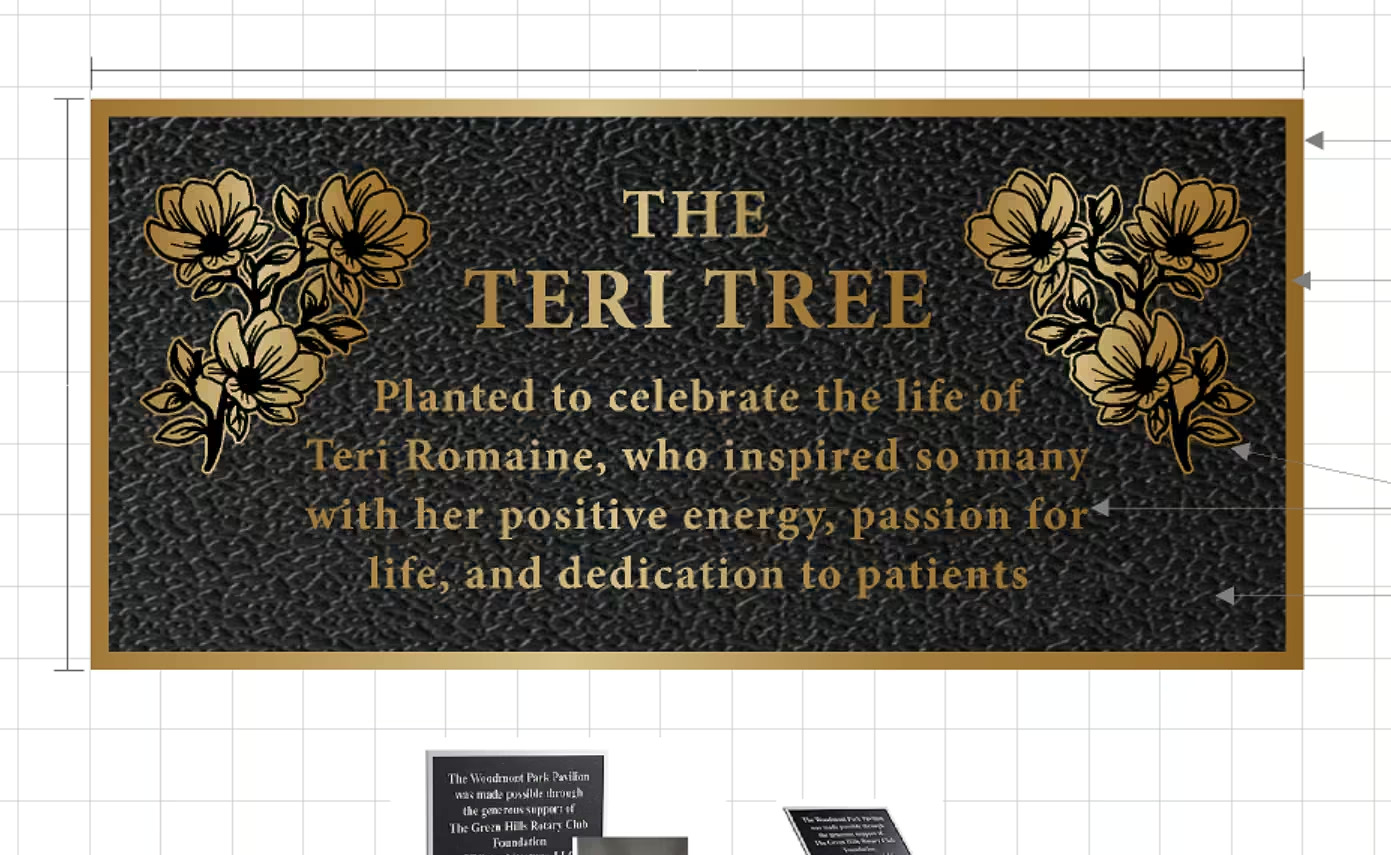
Professional sign design services involve far more than simply creating attractive graphics. Effective signage requires a combination of branding expertise, architectural planning, technical design, and regulatory knowledge to ensure the final product is visually impactful, structurally sound, and compliant with local requirements. Businesses often rely on professional sign designers not only to create signs that look appealing, but also to guide decisions about sign types, materials, placement, lighting, engineering considerations, and permitting documentation. By addressing both creative and technical needs, professional sign design services help businesses create signage that supports branding, visibility, and long-term functionality.
Identifying the Right Sign Type and Concept
One of the first services professional sign designers provide is helping businesses determine the most effective type of signage for their goals and location. Different businesses require different signage solutions depending on factors such as visibility needs, building architecture, customer traffic, and local zoning restrictions. A retail storefront may benefit from illuminated channel letters, while a corporate office might prefer dimensional lobby signage or monument signs.
During the conceptual phase, designers evaluate how customers will interact with the sign and how the sign fits within the surrounding environment. They consider viewing distance, traffic speed, sightlines, lighting conditions, and competing visual elements nearby. This helps determine the ideal sign size, placement, and lighting strategy to maximize visibility and readability.
Professional sign design services also include creative ideation. Designers often present multiple concepts, mockups, and renderings to help businesses visualize different approaches. These concepts may vary in color schemes, materials, typography, illumination methods, and structural styles. By exploring multiple options early in the process, businesses can make informed decisions that align with both their branding and operational goals.
Branding, Logo Development, and Visual Identity
A major component of sign design services involves translating a company’s brand identity into effective visual signage. For some businesses, this means adapting an existing logo for physical signage applications. For others, especially startups or rebranding projects, sign designers may help create entirely new logos, typography systems, and brand standards.
Professional designers ensure that logos and graphics remain legible and visually balanced when scaled to large exterior signs or dimensional displays. Certain logo elements that work well digitally may need adjustment for fabrication purposes. Thin lines, intricate gradients, or overly complex graphics may not translate effectively into illuminated signs, routed lettering, or large-scale installations. Designers refine these elements while maintaining brand consistency.
Color selection and lighting also play a significant role in branding. Designers consider how colors appear under daylight, nighttime illumination, or interior lighting conditions. They may recommend specific materials, finishes, or lighting techniques that reinforce a company’s desired image. For example, brushed metal lettering may communicate sophistication and professionalism, while vibrant LED illumination may create a more modern and energetic appearance.
Structural Design and Fabrication Planning
Professional sign design services also include the technical planning necessary to fabricate and install the sign successfully. Once the visual design is approved, designers create detailed production drawings that specify dimensions, materials, mounting methods, lighting components, and fabrication requirements. These drawings serve as the blueprint for sign manufacturers and installers.
Structural considerations become especially important for large exterior signs, monument signs, and illuminated channel letters. Designers must account for factors such as wind loads, weather exposure, mounting surfaces, and long-term durability. In many cases, they collaborate with fabricators and engineers to ensure the sign can safely withstand environmental conditions while maintaining its appearance over time.
Material selection is another critical part of the process. Designers help businesses choose materials that align with their budget, branding, and installation environment. Aluminum, acrylic, stainless steel, PVC, and high-density urethane each offer different strengths in terms of durability, maintenance, and aesthetics. Professional guidance helps ensure the selected materials perform well in both the short and long term.
Engineering Documentation and Permitting Support
Many commercial signs require permits before installation, particularly exterior illuminated signs or freestanding structures. Professional sign design services often include preparation of the technical documentation needed for engineering review and municipal approval. This can significantly simplify the permitting process for business owners.
Designers typically prepare scaled site plans, elevation drawings, structural details, electrical layouts, and material specifications required by local building departments. These documents demonstrate that the sign complies with zoning regulations, size restrictions, setback requirements, and electrical codes. In some cases, licensed structural engineers may also provide stamped calculations for larger or more complex sign installations.
Permitting support can be especially valuable for businesses unfamiliar with local regulations. Sign companies often coordinate directly with landlords, architects, contractors, and municipal officials to address revisions or approval requirements. By managing these technical and administrative tasks, professional sign designers help reduce delays and ensure projects move smoothly from concept to installation.
Professional sign design services encompass far more than graphic design alone. They help businesses identify the right type of signage, develop branding elements, plan structural and fabrication details, and prepare documentation for engineering and permitting approvals. By combining creative expertise with technical planning and regulatory knowledge, professional sign designers create signage solutions that are visually effective, structurally reliable, and aligned with long-term business goals.
Ready to connect with a sign design specialist? Give us a call at (610) 692-0525 or tell us about your project online.
Our Signs
Explore custom signs by category and see what's possible.
ADA & Braille Signs
%201.avif)
Acrylic Panel Signs
Carved Signs

Dimensional Letters

LED Illuminated Signs
Monument Signs
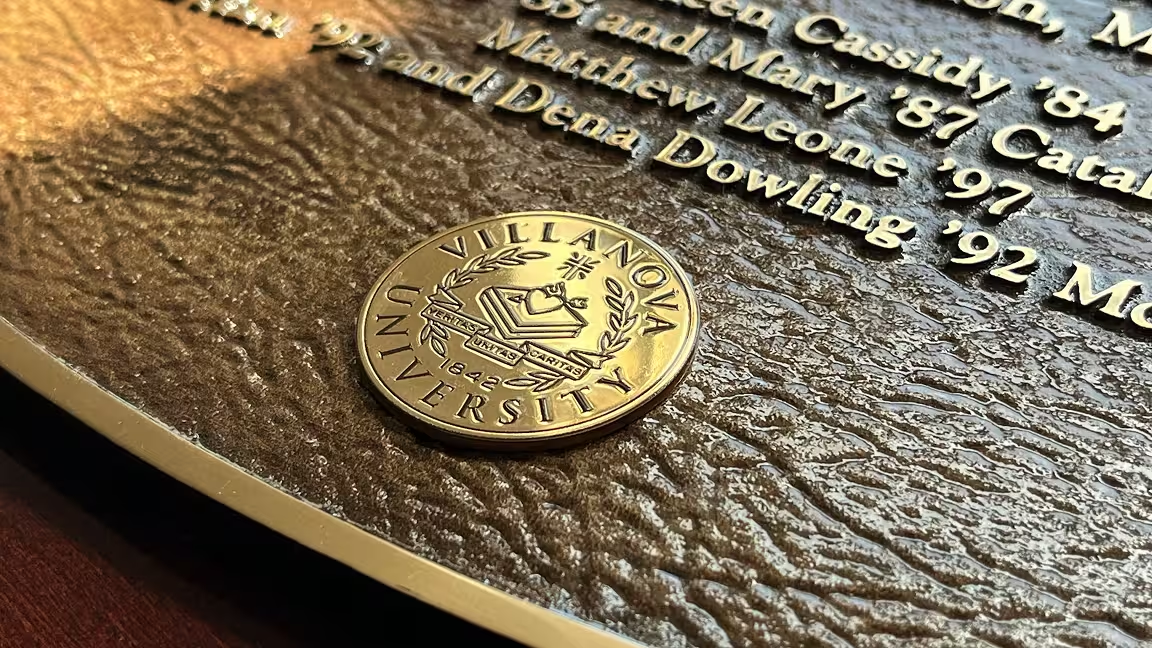
Plaques
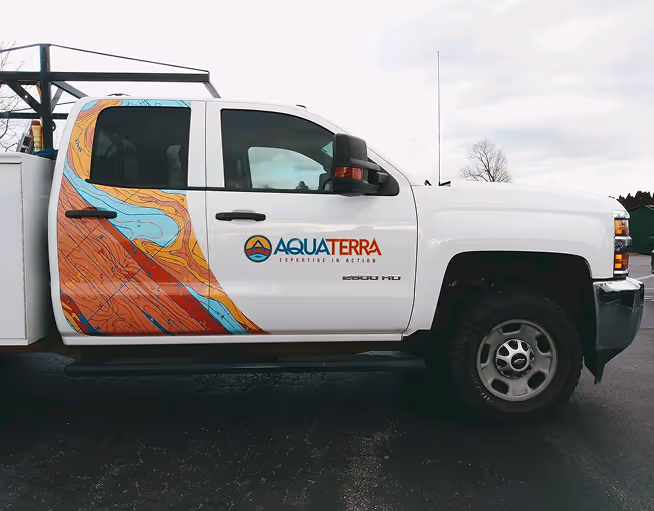
Vehicle Wraps & Lettering
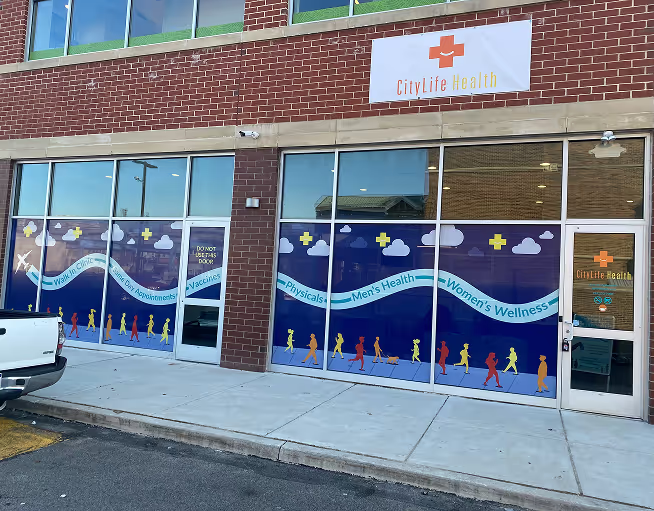
Wall & Window Vinyl
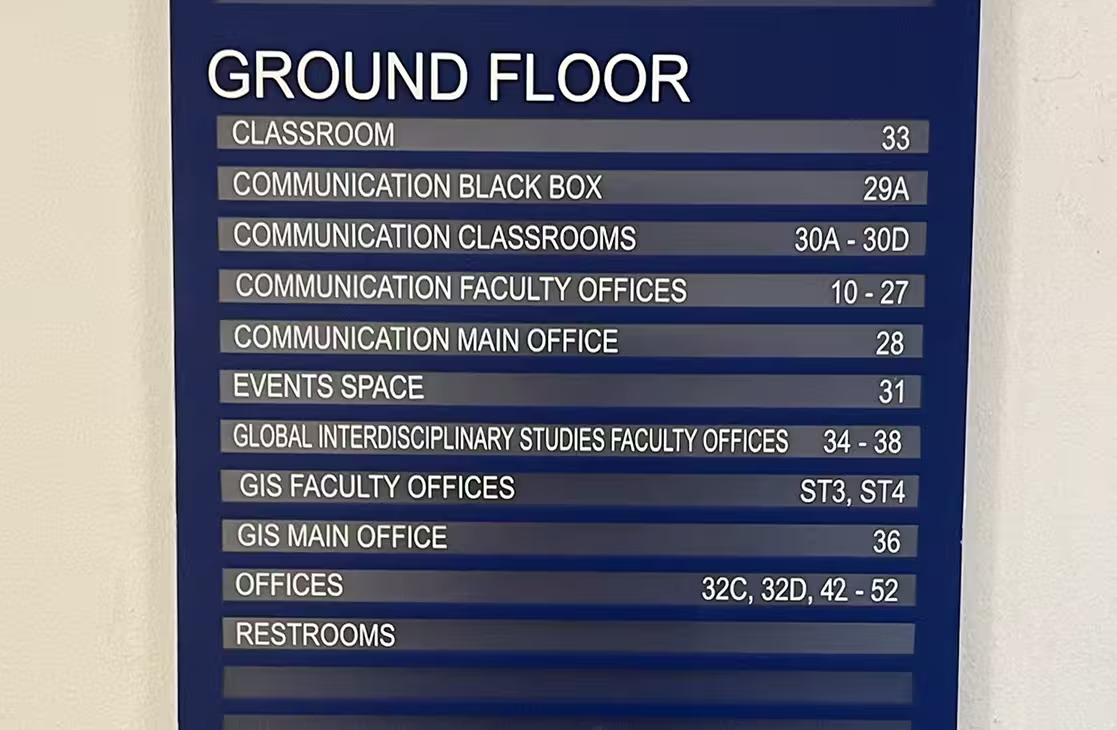
Wayfinding Signs
Let Us Make Your Perfect Sign
Main Office

Tell us about your project